
Turn useful visibility into a clearer customer journey
Virginia Beach businesses need more than a page that repeats a city name. Prospective customers need to understand your offer, see reasons to trust it and find a practical next step. Guardian Solutions provides SEO planning, digital marketing support and website improvements remotely from Colorado Springs, with a scope built around your business rather than a single industry.
Make your services easier to discover and compare
For a home-service company, a strong page can explain the work you take on, estimate requirements and scheduling process. A professional firm can explain its expertise and consultation options. A retailer or restaurant can make location details, availability and purchasing information easier to navigate. The right content depends on what your customers need to decide, not a fixed word count.
Prioritize the work that supports qualified opportunities
Our ongoing SEO work can address service content, technical obstacles and relevant internal links. Local SEO helps keep eligible business information accurate. Website improvements can remove confusing navigation and unnecessary form friction. Define the intended inquiry and evaluate progress against business goals, not visits alone.
The restaurant ordering example below shows one practical application. Businesses with different services can discuss a marketing and website plan with Guardian without needing an ordering system.
A restaurant can be open without accepting another delivery order. Guardian Solutions helps Virginia Beach businesses plan ongoing organic SEO, local SEO and Google Business Profile care around accurate location and service information. Website content and ordering links support that work; repairs, interface changes and ordering-system connections are assessed and scoped separately. Keep a working ordering tool where it fits.
We are based in Colorado Springs and work with national clients remotely over Zoom. Start with a free website and SEO audit and 30-minute consultation, without a purchase obligation. Share the public location pages, the restaurant services you want people to find and the questions guests still ask. Implementation and any ordering-system connection require a separate scope.
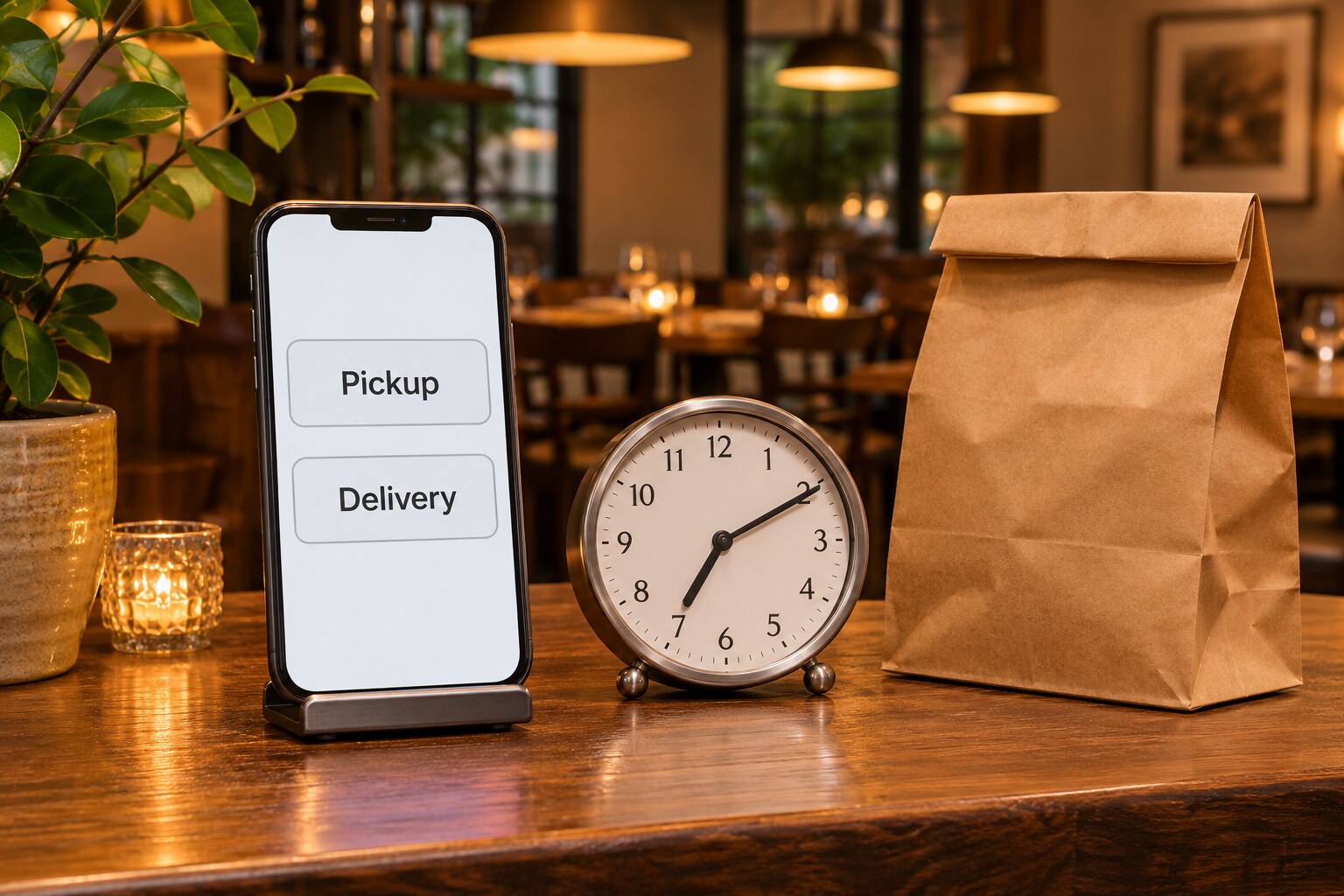
Virginia Beach ordering pages show why one closing hour is not enough
Shorebreak’s ordering information identifies its Shore Drive and Pungo locations and publishes separate dine-in and delivery schedules. Its listed Friday dine-in close is later than its delivery close. The useful lesson is the distinction, not a timetable to copy: hours can change, and the ordering destination has its own role.
Yendidi’s ordering entry presents Virginia Beach and Norfolk location choices alongside pickup and delivery. A guest choosing a restaurant and a service is making two decisions. These public examples are not Guardian projects, claims of defects or tests of either restaurant’s live availability.
For the recurring SEO assignment, identify which location page explains the intended restaurant and its actual dining, pickup or delivery offer, then examine the relevant next-step links. A shared restaurant name does not establish which kitchen will prepare the order. If the destination cannot preserve a location or fulfillment choice in the link, make the required selection clear rather than promising it carries forward.
Keep the message truthful after one service stops taking orders
Consider an invented restaurant with owner-approved rules: the dining room closes at 10 p.m., same-day delivery requests stop at 9:15 p.m., and pickup requests stop at 9:40 p.m. to leave its chosen preparation window. All times are local to this fictional restaurant. These are not Shorebreak’s or Yendidi’s settings, a platform formula or a recommendation for your kitchen. Future ordering remains unconfirmed until the selected tool supports it.
At 9:25 p.m.: open for dining does not mean delivery is available
“Delivery available now” would contradict the example’s cutoff. Pickup may still be an option, subject to the ordering system’s actual availability. If the owner offers that alternative, name it clearly and keep the intended restaurant. Do not quietly change a delivery request into pickup or send the guest to a different branch just because it is taking orders.
The last time an order can be requested is also not a promise about when it will be ready or arrive. Preparation time and the quoted fulfillment time are separate facts. Website wording should not promise a 9:40 pickup simply because requests are accepted until 9:40.
At 9:45 p.m.: neither same-day ordering route remains available
The dining room is still open, but both request cutoffs have passed. Do not change the main business closing hour to 9:40 merely to make an ordering button look consistent. Use truthful wording about the unavailable ordering service. If the tool genuinely offers future orders, provide a way to check its available dates and times; do not promise tomorrow’s slot from static website text.
A smaller, dependable solution can be service-specific hours and a button labeled “Check pickup or delivery options,” leading to the correct restaurant. That is different from a live availability promise. For ongoing SEO, first improve the service wording and relevant links on the location page. A live status connection is a separate implementation choice, justified only if the business needs it and a dependable source can support it.
Choose the next content task from the guest’s intended service
For the fictional restaurant, start with one existing location page. Explain dining, pickup and delivery as the restaurant actually offers them, keep the cutoff distinction visible, and label the links to the appropriate next step. A guest searching for delivery should not have to infer that service from the dining-room close. The worked example identifies an information gap to address, not a requirement to replace the ordering tool.
Review the organic queries and landing pages available alongside anonymized guest questions. Distinguish new interest in an offered dining or ordering service from help with an order already placed. Requests for delivery after the supported cutoff can reveal unclear content, but they do not prove a search-ranking problem or automatically count as qualified sales inquiries.
The next recurring assignment might improve a service explanation or the internal route from the restaurant overview to the correct location. A separate delivery page needs enough distinct, approved information to help a guest; copying the same menu introduction under more location headings adds little. Keep accurate content and a working ordering route when they already do the job.
At the next agreed review, examine the changed page and relevant inquiry themes with the source evidence actually available. A click into the ordering system is not a completed order, and existing-order support should not be reported as new customer acquisition.
Keep ordering-system changes separate from the SEO assignment
Toast’s schedule documentation illustrates why the actual product matters: it separates order cutoffs from closing, limits the documented cutoff settings to ASAP orders, and treats future ordering separately. Those are Toast-specific distinctions, not rules to apply unchanged to Aloha or every delivery service. They are not evidence of either local restaurant’s internal configuration or Guardian’s ability to configure that product.
Ask the ordering administrator which settings control the real location and service, and what guests see when orders are paused. A website footer or Google profile is not the ordering system’s control panel. A holiday notice or a change in one system does not prove every outside delivery channel stopped accepting orders.
Before commissioning an “available now” badge, identify its live source, how promptly changes reach it and what the website displays when the source cannot be reached. A green indicator calculated only from main opening hours cannot demonstrate delivery capacity. If a dependable connection is unavailable, prefer qualified wording and the tool’s current options over an unsupported promise.
Assess additional website changes only where needed
If the content review identifies a handoff problem requiring implementation, have the website provider demonstrate the location and fulfillment choice reached from the restaurant’s location page, including a return visit on a phone. Agree an authorized test arrangement representing times before and after the relevant cutoff and, where supported, a future-order selection. Confirm the visible result and record any step that could not be checked.
A navigation check is not a kitchen-ticket, payment or completed-order test. Those require their own authorization and coordination with the restaurant and ordering provider. No orders, carts, location-permission requests or payments were made to prepare this example.
Guardian can assess WordPress support, Joomla support or a website design project against the existing installation and dependencies. A proposal can identify approved content, location links, interface changes and verification. It should name any ordering-provider work separately, not assume Guardian has product access, certification or a supported integration.
Google distinguishes More hours for specific services from Special hours for date-specific exceptions. Keep that profile information accurate without treating it as a live order-status feed.
Local SEO and Google Business Profile care are a separate scope from restaurant operations. Assign responsibility for website edits, profile hours and the ordering service’s settings. Routine website support does not promise emergency kitchen monitoring or universal updates to every delivery partner.
Questions about restaurant SEO content and ordering routes
Why can a restaurant be open while delivery or pickup ordering is unavailable?
Dining hours and order acceptance can follow different rules. A service may stop taking requests early enough for preparation, or be paused independently. Check the location, fulfillment method and ordering system’s current options rather than treating the main closing hour as a promise that every service is available.
Is the last order time the same as the promised ready or delivery time?
No. The request cutoff determines whether an order can still be placed; the quoted ready or delivery time describes fulfillment. Confirm how the selected ordering product calculates those times. Do not convert “orders accepted until 9:40” into “ready at 9:40” in website copy.
How should the website preserve our restaurant and pickup or delivery choice?
Link to the intended location and, where supported, the selected method. Demonstrate the result at the destination, including on a phone and on a return visit. If a choice cannot be carried through, label the selection the guest must make. Do not silently substitute another branch or method.
Which hours belong in Google More hours versus Special hours?
Google More hours describes recurring service-specific schedules such as pickup or delivery; regular business hours must be set first. Special hours covers temporary date-specific changes, such as holiday exceptions. Neither setting configures the restaurant’s ordering system or proves it can accept an order now.
Can guests schedule a future order after ASAP ordering closes?
Possibly, if the chosen product supports future ordering and the restaurant has enabled appropriate options. It is a separate capability to confirm, not an automatic consequence of being closed for immediate orders. Send guests to the actual date and time choices rather than guaranteeing a slot in static text.
Does a website notice or POS pause stop all outside delivery channels?
Do not assume so. Confirm the specific integration and who updates each destination. A public notice does not itself change another system’s acceptance rules, and partner synchronization may have its own timing or limits. Verify the affected channels rather than declaring them closed from one saved setting.
When is an “available now” message safe to display?
When a dependable source establishes availability for the intended location and service, with agreed update behavior and a truthful fallback if that source fails. Main opening hours alone are insufficient. If that connection cannot be supported, a clear “Check pickup or delivery options” link makes a narrower promise.
What can we check without placing a live restaurant order?
The public link destination, location and method selections, displayed schedules and available time choices, within an agreed non-transactional test. Stop before submission, payment or any unapproved operational action. Record what remains untested: reaching an ordering screen does not prove a kitchen ticket or completed purchase.
Which tasks belong to the website company, profile manager and ordering provider?
Assign website content and links to the website scope, Google profile hours to the profile scope, and actual acceptance, timing and partner settings to the responsible ordering administrator. An integration may connect some tasks, but that connection must be assessed and verified. Guardian does not assume support for a particular restaurant platform before assessment.
What should decide the next month’s restaurant SEO content work?
Use the restaurant’s actual service priorities, available organic page and query evidence, and recurring guest questions. Improve the explanation or internal route that leaves a relevant decision unclear. Separate prospective dining or ordering interest from existing-order support, and do not treat an ordering-link click as a completed sale.
See Guardian’s Virginia service areas or discuss the next organic SEO improvement to your restaurant’s location page.