
For a New Haven technology business, ongoing organic SEO should help the right commercial audience understand the offer. Someone seeking a physical product and someone exploring a technology license may search for the same name, but they need different explanations and next steps.
Guardian Solutions can plan recurring SEO work around useful commercial content, internal links, technical priorities and agreed reporting. We work from Colorado Springs with national clients remotely over Zoom, not from a New Haven office. Request a free website and SEO audit with a 30-minute consultation to discuss your existing pages. There is no purchase obligation; detailed content work and implementation require an agreed scope.
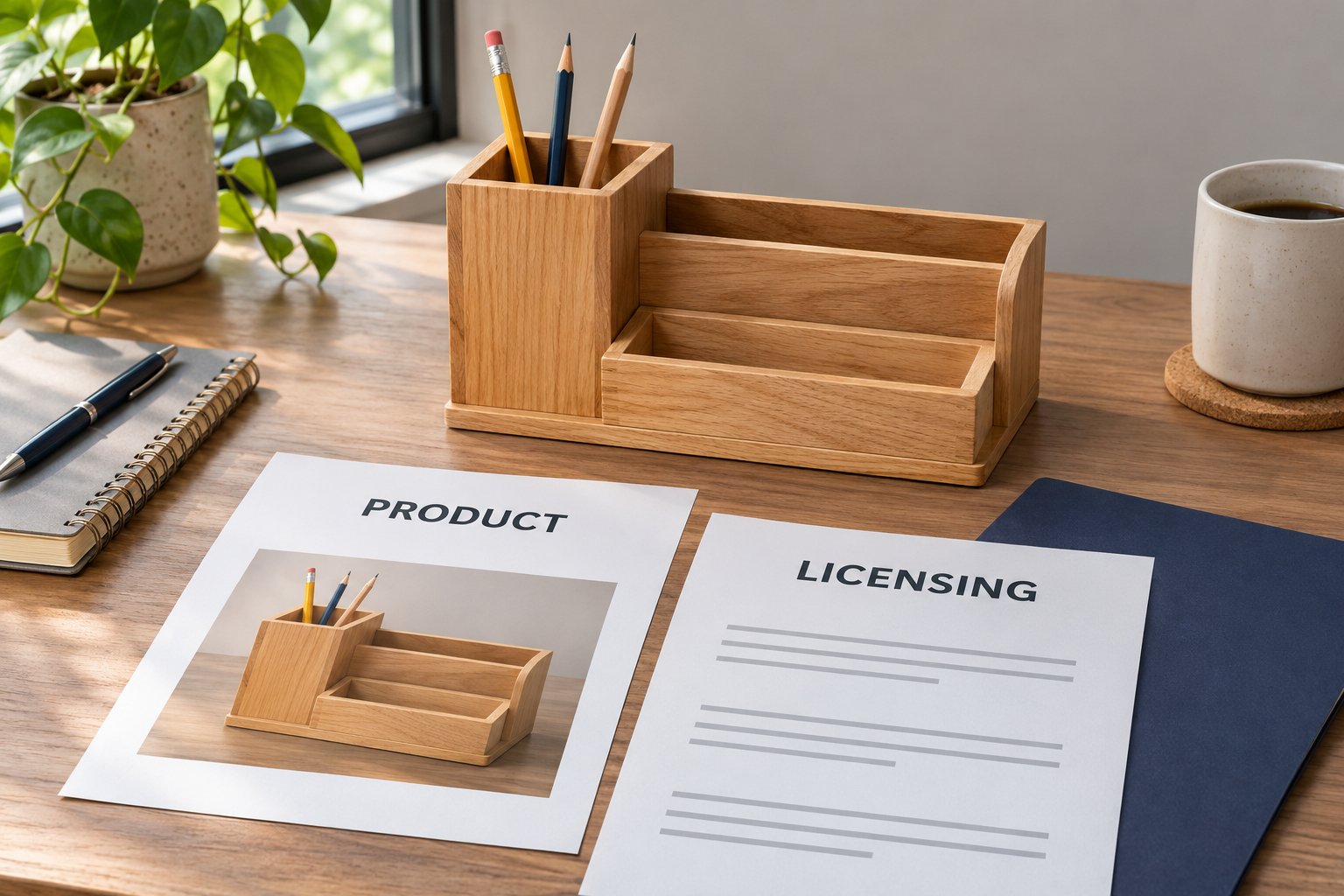
One technology name can lead to two different conversations
Yale Ventures' technology directory links a physical-sciences catalog with a useful example. In the April 2025 catalog (PDF), the REPBOX entry described a limited-quantity physical-product offer and separately described licensing of know-how and trademarks. That dated entry illustrates two commercial relationships. It does not establish present stock, current licensing availability or the terms of any transaction.
FORGE's Connecticut program describes prototype-to-production support and a New Haven office. This local commercialization context makes the distinction relevant, but it does not mean every research project becomes a product for sale. These organizations are sources, not Guardian clients or endorsements.
For your website, establish what the business currently offers before choosing a keyword or page title. Do not infer ready-to-order units from a prototype photograph. Equally, do not assume that a technology associated with research can only be licensed. Ask the owner which commercial conversations the business is prepared to handle.
Write two briefs only when there really are two offers
Imagine a fictional company selling a simple desk-organizer system and separately inviting discussions about licensing its design or know-how. The following is an editorial example, not a statement about Yale, a real manufacturer or the company's legal rights.
The product buyer's brief
Explain the physical item the customer can request, its owner-approved specifications and any confirmed ordering limits. Make the next step a product purchase or product quotation, whichever the business actually supports. A heading such as “Desk-organizer system: product information” tells the reader what this page is for. It should not imply that buying an item includes a right to manufacture the design.
Keep the essential product explanation on that page. A research abstract may supply context, but sending a buyer straight to an abstract leaves the commercial question unanswered. The writer must not fill missing ordering facts with an assumed price, stock promise or release date.
The licensing inquiry brief
Use nonconfidential, owner- and adviser-approved information to explain the application being discussed and identify the responsible licensing contact. A label such as “Discuss licensing” describes a conversation, not an agreement. Do not invent exclusivity, territory, patent protection, royalties or a guaranteed commercial outcome to make the page feel complete.
Guardian is not a technology broker, manufacturer or legal/IP adviser. Your specialists decide the rights, disclosure boundaries and terms. Our content assignment is to make the approved public offer understandable and connect it with the appropriate destination.
When one overview is enough
If the business has little approved public information, a clear overview with two labeled destinations may serve readers better than two thin pages. Separate pages become useful when the offers, supporting explanations and next actions differ substantially. If the company sells products but does not offer licensing, publish the product information without manufacturing a second opportunity for search traffic.
Connect research interest to the relevant commercial page
A useful public paper or announcement can remain research content. Where appropriate, add an accurate link to the current product information or licensing overview, using words that distinguish the destination. A generic “Learn more” link to a checkout does not explain why a reader interested in commercialization should go there.
This does not require converting every paper into another landing page. Review the existing material, the supported buyer question and the information that can be disclosed publicly. Google's people-first content guidance emphasizes useful original information and descriptive headings. It is not a formula that makes more pages, citations or technical terminology automatically improve rankings.
Make the next monthly SEO decision from real inquiry intent
In the recurring review, consider the search and landing-page evidence actually available alongside aggregated questions the business receives. A product purchaser asking about quantities, a prospective licensee asking for a discussion and a reader downloading a paper are not equivalent outcomes.
Record stated interest separately from qualification. An inquiry about licensing remains an inquiry until the responsible commercial team assesses it; it is not a signed agreement or proof of revenue. Keep available organic attribution separate from that business status. Where attribution is missing, say so rather than assigning every contact to SEO.
Suppose several readers reach a research announcement and then ask whether they can buy a finished unit. If the business genuinely sells units, improve the link and the product explanation. If it does not, clarify the current offer instead of adding an order button. The next content task follows the answer, not an automatic promise to publish another article.
Bring Guardian the existing URLs, public reference material, the approved commercial offer and a knowledgeable reviewer. Agree which pages and links will change, who approves the facts and what the reporting can establish. No private analytics or inquiry records were accessed to prepare this example. Technical validation, legal advice, confidential-document transfer and new integrations are not included by implication. SEO cannot promise licensees, product sales or search placement.
New Haven commercial-content SEO questions
Can one technology have a product page and a licensing page?
Yes, when both are genuine offers with distinct useful information and next steps. Explain the physical purchase separately from the licensing discussion. If there is not enough approved information for two substantial pages, start with a clear overview and accurately labeled destinations.
Does a prototype or patent reference mean we can advertise a product as ready to order?
No. Have the business confirm current product availability and the actual purchase or quotation route. A research announcement, prototype image or patent reference does not establish finished stock. Do not invent an ordering date or turn a development milestone into a sales promise.
Should every technical paper become its own SEO landing page?
No. Keep useful research material in context and link it to the relevant commercial explanation where appropriate. Create a new page only for a distinct supported reader need, not simply to repeat an abstract under another keyword. The commercial offer must be clear without misrepresenting the research.
What can a licensing page say without exposing confidential details?
Use the public application description and offer information approved by the owner and appropriate advisers, plus the responsible contact route. Those specialists decide what may be disclosed and which rights can be discussed. An SEO writer should not publish private technical detail or invent terms to fill a content gap.
What if we sell products but do not license the underlying technology?
Explain the product offer. Do not create a licensing page or imply manufacturing rights simply to attract additional searches. A short clarification may be useful if real inquiries show that visitors misunderstand the offer, but it should not suggest a commercial opportunity the business does not provide.
How should product and licensing inquiries appear in SEO reporting?
Distinguish the visitor’s stated purpose, the commercial team’s qualification and whatever organic-source evidence is available. A paper download is neither a product order nor a licensing agreement. Report missing attribution and unresolved inquiries honestly; contact volume alone does not establish commercial success.
What does Guardian need before improving our technical commercial content?
Start with existing URLs, public reference material, the owner-approved offer, intended inquiry and a knowledgeable reviewer. Agree the content, internal links, implementation responsibilities and reporting scope. Do not send confidential designs in an ordinary inquiry. Legal advice, technical validation and specialist document-transfer systems require other expertise or separately assessed work.