
SEO, website design, and digital marketing for roofing contractors
Roofing SEO That Helps Property Owners Choose Their Next Step
Roofing customers often start with an uncertain problem: a leak, visible wear, storm damage, or a roof they know will eventually need replacement. They need to understand who serves their property type, what an assessment involves, and how to request help.
Guardian Solutions LLC helps businesses improve search visibility and build clearer websites. A roofing marketing plan should connect those searches with accurate service information, relevant project evidence, and an inquiry process your team can manage.
Discuss SEO for your roofing business
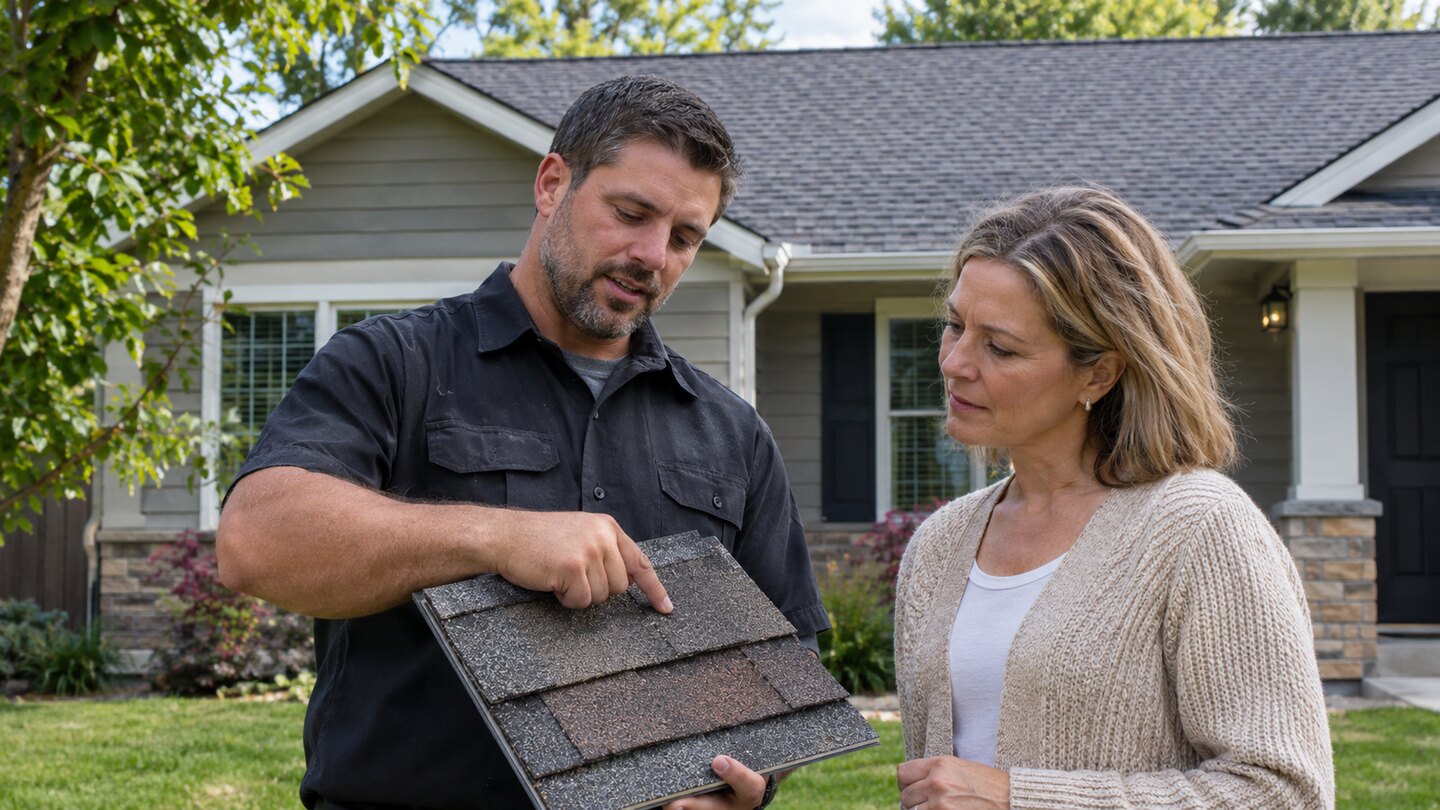
Build Confidence Before the Inspection Request
A roof is a substantial property decision. Your website should help a customer assess service fit without pretending it can determine the right repair or replacement from a few symptoms. It should also make it easier for your team to identify suitable work.
- Reach relevant project searches. Explain repair, replacement, inspection, and maintenance services that your company actually offers.
- Clarify material and property fit. Show the roof types and buildings your crews are equipped to handle.
- Make project evidence useful. Add context to real photos so customers understand your work and responsibilities.
- Improve estimate conversations. Explain assessment and proposal steps before a customer submits an inquiry.
- Measure qualified opportunities. Review inspection requests, estimates, and accepted work alongside organic search performance.
A Roofing SEO Plan Based on Real Services
Separate repair and replacement decisions
A repair customer may need a prompt assessment. Someone planning replacement may compare materials, installation approaches, and estimate processes over a longer period. Clear service pages can support both journeys without presenting replacement as the answer to every roofing concern.
Research may consider roof repair, roof replacement, commercial roofing, metal roofing, or other topics relevant to your business. These are examples, not a recommendation to advertise every service. Each page should have a distinct purpose and enough useful information to help a property owner choose.
Connect local discovery with actual project coverage
Keep your business information, service territory, and contact details accurate. Roofing companies may accept different project types across different distances; explain meaningful limits instead of implying identical availability everywhere.
Useful location content can describe genuine coverage, relevant project examples, and local considerations your team can verify. Avoid fabricated office locations and interchangeable city pages. Explore Guardian’s local SEO services.
Explain materials, credentials, and warranties precisely
Customers need to know whether your business handles their roof type. Describe material and system expertise accurately, and distinguish your own workmanship terms from manufacturer warranties. Certifications, affiliations, and license information should be current and verified before they appear on the site.
Project photos can show the work your company performed when permission and context are clear. Stock images should not be presented as your projects. Technical content should be reviewed by your team and should not encourage unsafe roof access or do-it-yourself repairs.
Create a clear website path from concern to assessment
A visitor should quickly find services, coverage, and a practical way to request contact. A short form can gather property location, service interest, and a brief description. Photos may help with initial routing, but they do not replace an appropriate assessment.
Mobile usability, reliable forms, understandable navigation, and well-organized galleries all matter. Guardian can discuss targeted website improvements or a redesign based on the actual obstacles. Scheduling tools and customer-management integrations need separate review and scope. See Guardian’s website design services.
Keep marketing aligned with available crews
Ongoing SEO can improve technical performance, refine service pages, maintain local information, and add approved project examples. Reviews should consider whether inquiries fit your capacity, preferred materials, territory, and residential or commercial focus.
Storm-related demand can change quickly. Website information and any advertising should reflect actual response capacity, not create expectations your staff cannot meet. A broader marketing plan may include paid campaigns where appropriate, with ad spend and management distinguished from SEO and website work. Learn about Guardian’s digital marketing strategy services.
A Practical Scope for Roofing Growth
Start with your priority services, geographic coverage, and the types of properties you want to work on. Identify which credentials, project examples, and customer questions can make the website more useful. Then agree on recurring work and any one-time project that supports it.
Guardian’s SEO services explain the broader offering. A roofing proposal should make responsibilities and reporting clear. Search visibility creates opportunities to be considered; the quality of your assessment, proposal, and follow-through remains part of winning the work.
For a practical local-search checklist, see how to explain real service coverage without duplicate city pages. Use the guidance to represent where your roofing crews actually work.
12 Questions Roofers Ask About SEO and Websites
1. Should roof repair and replacement have separate pages?
Separate pages can help when both are genuine services with different customer questions and next steps. Repairs may begin with a specific concern, while replacements involve a broader evaluation and estimate. Explain how your team assesses the situation. Avoid implying that a symptom always requires a new roof or that a website can make that determination.
2. Should we make pages for metal, shingle, tile, or flat roofing?
Only for systems your company actually handles and where a distinct page can provide useful information. Explain service scope, relevant property types, and the assessment process. Support material and performance claims with appropriate sources and professional review. A long set of nearly identical material pages is less useful than a clear, accurate service structure.
3. How should commercial and residential roofing be separated?
Commercial buyers may need information about building types, roof systems, access, maintenance, and proposal requirements. Residential owners usually follow a different inspection and estimate process. Provide clear paths for each audience and describe only the commercial work your business can deliver. Experience with one roof system does not automatically establish expertise in every system.
4. Can we publish storm-damage roofing content?
Yes, when it explains actual services and a safe contact process. Keep availability current and avoid implying a guaranteed response time. Content should not encourage customers to climb onto a roof. Describe an assessment as an assessment, rather than promising that all visible damage requires replacement or that a particular repair will be covered by insurance.
5. How should insurance-related questions be handled?
Explain only the support your business actually provides and have the language reviewed for applicable requirements. An insurer determines coverage under the policy. Avoid promises of claim approval, a free roof, or a specific payout. Keep deductible and payment statements accurate, and do not present roofing marketing content as individualized insurance or legal advice.
6. What should a roofing project gallery show?
Use genuine photos with permission and describe the work your team completed, the roof type, and relevant project context. Protect private property details and avoid unsafe imagery. If another company performed part of the work, make your role clear. Before-and-after photos should be honest examples, not a promise that every property will have the same outcome.
7. Should warranties and certifications appear on the website?
They can help buyers when the information is current and precise. Distinguish manufacturer product warranties from your workmanship terms and explain relevant limitations. Verify authorization before displaying certification or affiliation marks. Assign someone to review this information periodically so expired credentials or outdated terms do not remain in sales copy.
8. How do we attract suitable inspection and estimate requests?
State your real service territory, roof types, property types, and process. A short form can collect location, requested service, and a brief description, with optional photos where useful. Explain whether an inspection carries a fee and whether submission confirms an appointment. Those details should reflect your operation rather than a generic lead-generation template.
9. Should we create a page for every town we serve?
Start with clear service-area information. Add a dedicated page only when you can offer meaningful local detail, such as actual coverage or relevant projects. Do not invent offices or repeat the same content across city names. Prioritize locations where your crews can take on the types of projects the campaign is intended to attract.
10. What affects roofing SEO pricing?
Competition, territory, property and roof types, current site condition, content needs, and reporting all affect scope. Request a clear distinction between recurring SEO, website work, photography, and advertising. Guardian can discuss a plan after reviewing your business. No pricing model can responsibly guarantee a particular contract value or number of replacement jobs.
11. How long does roofing SEO take?
Timing depends on your starting visibility, competition, site quality, and the work required. Some contact and content improvements can happen early, while organic results need sustained evaluation. Weather events and seasonal demand can change inquiry volume independently of the campaign. Use agreed review points rather than a promise of instant first-place rankings.
12. How should we measure marketing performance?
Track qualified inquiries, property and service fit, inspections, estimates, and accepted work when available. Separate spam, out-of-area requests, existing-customer questions, and services you do not provide. Compare outcomes by landing page and channel while respecting privacy. Review response time and crew capacity, because those affect whether an inquiry becomes a realistic project opportunity.
Give Property Owners a Clearer Reason to Contact You
Share your website, service area, roofing specialties, and growth priorities with Guardian. We can discuss how ongoing SEO, useful project content, and website improvements fit the work you want to pursue.