
Local maps optimization is more important than ever in 2026, changing how customers find and choose businesses every day. If you want to stand out, you need strategies that work right now. In this article, you will discover seven proven ways to help your business shine on local maps, attract more customers, and boost your reputation. Imagine showing up first when someone nearby searches for your service—businesses that do this see more calls and visits. Are you ready to take your spot at the top? Keep reading to learn the steps that can help you dominate your local market.
Table of Contents
If you want to master local maps optimization, this guide covers everything you need. Here’s a quick look at the seven proven strategies you’ll find in this post:
- Claim and perfect your Google Business Profile (see extra Google My Business SEO tips).
- Harness the power of customer reviews.
- Optimize for voice and mobile search.
- Build local citations and directory listings.
- Leverage high-quality photos and virtual tours.
- Create locally relevant content and posts.
- Track, analyze, and adjust your strategy.
Use this outline to jump to any section that interests you. For a fast recap, check the summary at the end for all the main takeaways on local maps optimization.
Why Is Local Maps Optimization Essential in 2026?
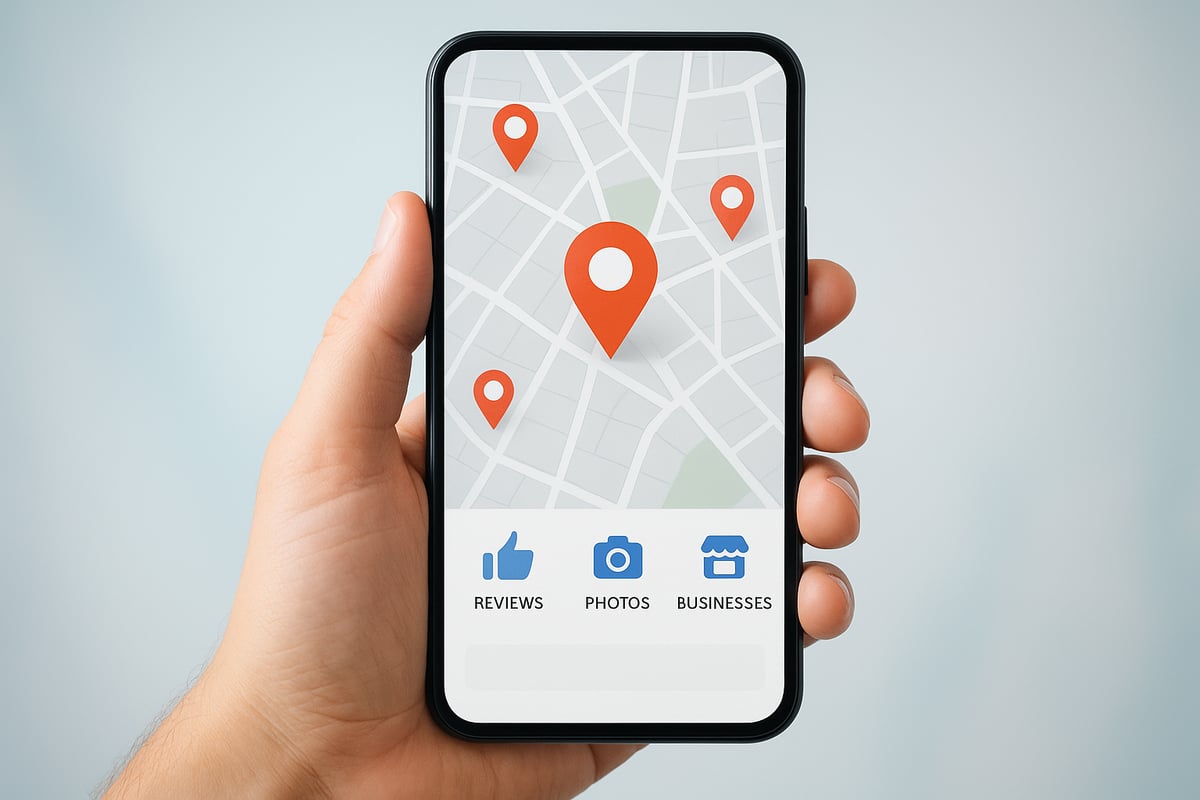
Local maps optimization is more important than ever for businesses in 2026. With digital maps shaping how people find and trust companies, you cannot afford to overlook these changes.
What Changed in Local Search?
Have you noticed how quickly local search has evolved? Google Maps has rolled out big updates, making it smarter and more dynamic. Mobile and voice searches have skyrocketed, with more people asking their phones for places to eat or shop.
Artificial intelligence now personalizes results, showing users the most relevant local businesses. Real-time details matter, too, like displaying open hours and fresh reviews. When you focus on local maps optimization, your business shows up more often and stands out. For example, shops that update their listings see more calls and visits than those that do not.
How Local Maps Impact Customer Decisions
Why do customers pick one business over another? It often comes down to who appears first on the map. The top three spots in the map pack get the most clicks. In fact, 46 percent of all Google searches have local intent.
Photos and reviews are front and center on local maps, building trust instantly. Imagine you are hungry and searching for a restaurant. You will likely choose the one with glowing reviews and mouth-watering photos. Local maps optimization gives your business the edge to win these decisions.
What Are the Risks of Ignoring Local Maps Optimization?
Do you know what happens if you ignore local maps optimization? You risk losing leads to competitors who keep their listings fresh and accurate. Your business may see fewer website visits and foot traffic.
Mobile searchers might skip you if your hours or address are wrong. One business dropped out of the map pack and saw its phone calls fall sharply. Continuous local maps optimization is the only way to stay visible and competitive.
What Are the Benefits for Small and Medium Businesses?
What if you could compete with bigger brands on a level playing field? That is what local maps optimization offers. It is a cost-effective way to reach more customers and build trust. When your map listing looks professional, people are more likely to call or visit.
Many small businesses have grown their leads with regular updates and positive reviews. For a deeper dive, check out How Local SEO Benefits Small Businesses to see how these strategies boost credibility and growth. With local maps optimization, you can turn online interest into real-world results.
7 Proven Local Maps Optimization Strategies for 2026
Making your business stand out in local maps optimization can feel like finding a shortcut on a busy road. The right strategies help your business shine when customers search for what you offer. Let’s break down each proven method so you can get ahead in 2026.
1. Claim and Perfect Your Google Business Profile
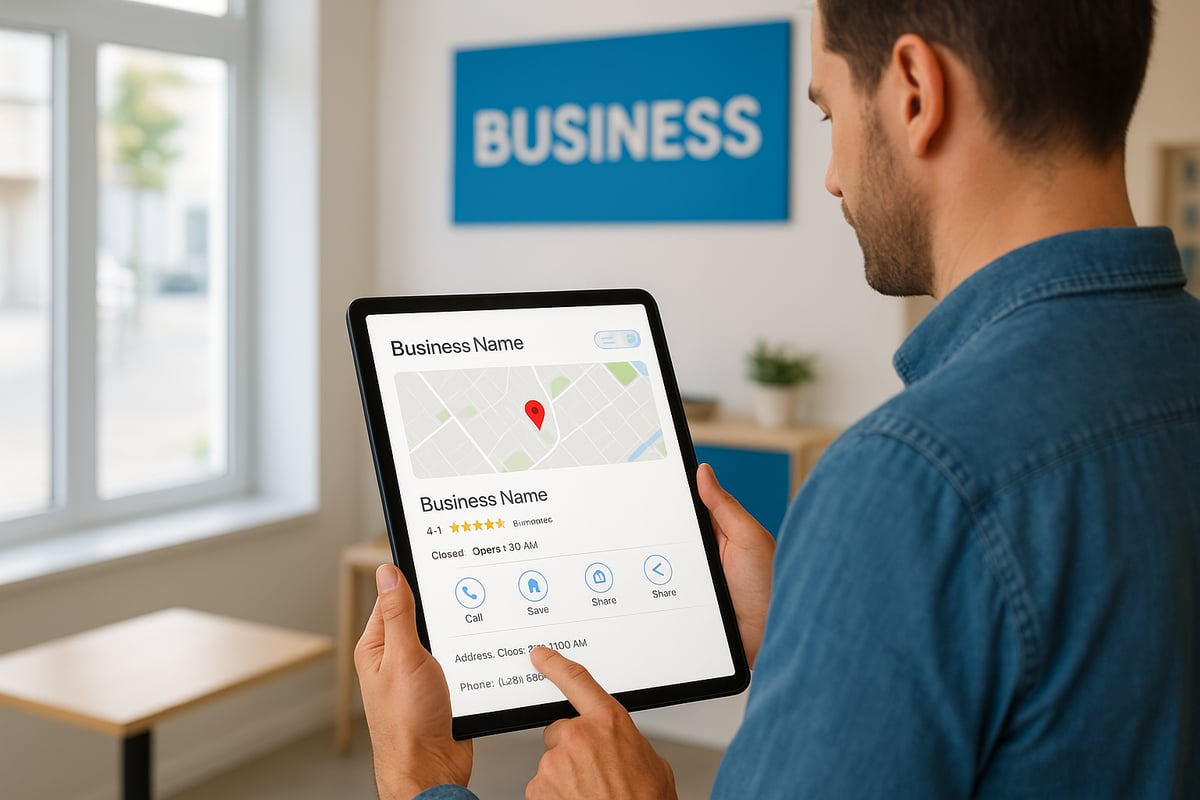
Do you know how many businesses forget to claim their Google Business Profile? Too many. The first step in local maps optimization is claiming your profile. Visit Google, search for your business, and claim it if you have not already.
Next, verify ownership. Google may call or mail a code to confirm. Once verified, fill in every detail. Make sure your Name, Address, and Phone (NAP) are exactly the same everywhere online. This helps Google trust your info.
Choose the best business categories and add attributes, like “wheelchair accessible” or “family friendly.” Update your hours, services, and business description. Use words that people might search for. For example, if you are a law firm, mention “family law” or “injury claims.”
Upload high-quality images and a clear logo. Photos help customers recognize your brand. Check for duplicate listings and remove them. Duplicates confuse Google and can hurt your ranking.
Finally, use Google’s analytics to see how your profile performs. Are you getting more calls and visits since your updates? If yes, you are on the right path with local maps optimization.
2. Harness the Power of Customer Reviews
What do you do when you want to try a new restaurant? You probably read reviews. Reviews play a huge role in local maps optimization. In fact, 87% of people read reviews before choosing a local business.
Ask your happy customers to leave honest feedback. You can send a thank-you email, a quick text, or even mention it in person. Make it easy by sharing your review link.
Always reply to reviews, both good and bad. Thank people for kind words, and address concerns with care. This shows you value every customer and builds trust. When you respond, use natural phrases that relate to your business. For example, “We’re glad you enjoyed our pizza and fast delivery!”
A sudden boost in positive reviews can push your listing higher in the maps. Track your reviews across platforms like Google, Yelp, and Facebook. If you spot a negative review, answer quickly and try to solve the issue.
With a steady stream of reviews, your local maps optimization efforts will pay off in more clicks and calls.
3. Optimize for Voice and Mobile Search
Have you ever asked your phone, “Where’s the nearest coffee shop?” More people use voice assistants and mobile devices for local searches every year. To boost your local maps optimization, make your business information easy for voice search to find.
Use simple, conversational language in your descriptions and FAQs. Think about what someone might ask out loud, like “Is this store open now?” or “What services do they offer?” Add those answers to your profile.
Speed matters. Make sure your website loads fast on phones. Slow sites lose visitors quickly. Also, use Google Posts to share updates or deals. These posts show up in your map listing and catch attention.
Track how many people visit your site or call from mobile searches. If your numbers improve, your local maps optimization is working. Keep testing what works best for your customers.
4. Build Local Citations and Directory Listings
Did you know that listing your business on other sites can boost your local maps optimization? Start by adding your business to top directories like Yelp, Bing, and Apple Maps. Always keep your NAP details the same everywhere.
Use schema markup on your website to help search engines read your business info. This code tells Google exactly who you are and where you are located.
If you find old or duplicate listings, remove them. Outdated info confuses both customers and Google. Some businesses see big growth just by cleaning up their directory listings.
Expand your reach by joining niche directories related to your industry. For example, a plumber might join home service directories. Check your citations often to keep them accurate.
Aggregator sites can help spread your info even further. The more consistent your listings, the stronger your local maps optimization becomes.
5. Leverage High-Quality Photos and Virtual Tours
Would you trust a business with blurry or outdated photos? Probably not. Great photos are a secret weapon in local maps optimization. Upload crisp images of your storefront, team, and products.
Consider adding a 360° virtual tour. This lets customers “walk through” your location before visiting, which builds confidence. Service businesses can share before-and-after shots to show results.
For example, a salon with a virtual tour saw more people book appointments. Update your images with the seasons or special events. Encourage customers to share their own photos, too.
Add captions with simple keywords that describe what’s in the photo. Keep an eye on how many views your photos get. The more people engage, the more your local maps optimization efforts pay off.
6. Create Locally Relevant Content and Posts
Do you post updates or news about your business? Regular content helps your local maps optimization in big ways. Use Google Posts to share offers, events, or important changes.
Write blog posts that answer local questions or talk about community events. Highlight your involvement in local causes or partner with nearby businesses. For example, a retailer who posted about a local event saw more foot traffic.
Use local keywords naturally in your writing. Share updates about your hours, safety rules, or new services. Link to your internal service pages for extra SEO power. For a deeper dive into effective strategies, check out our Professional SEO strategy insights.
Track how many people click or engage with your posts. The right content keeps your business top of mind and improves your local maps optimization results.
7. Track, Analyze, and Adjust Your Strategy
How do you know if your local maps optimization is working? It starts with tracking. Use Google Business Profile Insights to see how many people find you, call, or ask for directions.
Watch your most important metrics, like searches, views, and calls. Tools like heatmaps and local ranking trackers can show where you stand. Try changing your hours or photos, then measure what happens.
For example, one store added evening hours and saw more visits after work. Stay up to date with Google’s latest changes. Algorithms shift, and what works today might change tomorrow.
Check your competitors to see what they are doing right. Update your strategies often. The best local maps optimization is never a one-time job. It’s a journey you take step by step.
How to Maintain Consistency and Avoid Common Pitfalls
Keeping up with local maps optimization can feel overwhelming, but consistency is the secret to long-term success. If you want your business to shine on maps, you need to avoid simple mistakes and stay on top of updates. Let's look at the most common pitfalls and how you can dodge them.
What Are the Most Common Local Maps Mistakes?
Have you ever wondered why some businesses disappear from map results? Simple errors can make a big difference in your local maps optimization efforts.
- Inconsistent business name, address, or phone (NAP) across sites
- Ignoring or not responding to customer reviews
- Listing outdated business hours or services
- Creating duplicate profiles or listings
Imagine a business with mismatched addresses on different platforms. Customers get confused, and Google drops their ranking. These mistakes are easy to make, but they can cost you valuable leads. Staying alert to these issues is the first step toward reliable local maps optimization.
How Can You Ensure Ongoing Accuracy?
So, how do you keep your local maps optimization in check? Start by setting a regular schedule to review every business listing.
- Perform audits of your listings and citations on all platforms
- Use software to monitor NAP consistency
- Assign the task to a dedicated team member or agency
- Update your details right away after any business change
For example, if your store moves to a new location, update every listing right away. This avoids confusion and keeps customers coming. With a plan in place, ongoing accuracy becomes much easier.
What Tools and Resources Support Consistency?
You do not have to do everything by hand. Great tools can make local maps optimization much simpler.
- Google Business Profile dashboard for updates and analytics
- Citation management platforms for NAP consistency
- Local SEO audit tools to catch errors
- Alerts for new reviews or changes
Many businesses use automated tools to spot mistakes before they hurt rankings. If you are considering professional help, check out this Local SEO pricing guide to see what investing in ongoing optimization might cost. The right tools save time and help you stay ahead.
How Often Should You Update Your Local Maps Presence?
You might ask, how often should you check your local maps optimization? Consistency is key.
- Review your listings every month, or right after any changes
- Post new photos and updates regularly
- Monitor and respond to reviews every week
Many businesses share seasonal updates to keep information fresh. Remember, local maps optimization is never a set-it-and-forget-it job. Regular care means your business is always easy to find and trust.
Summary of Key Takeaways
Local maps optimization is your key to standing out in 2026. By following the seven proven strategies from this guide, you can boost your business’s visibility, trust, and growth.
Remember, these steps are not just a checklist. They are an ongoing process. Claim and perfect your profile, collect reviews, optimize for mobile, build citations, use high-quality photos, share local content, and track your progress.
If you want to see industry-specific success, check out how Local SEO for real estate applies these strategies.
Stay committed to local maps optimization, and you will see better results, more calls, and real business transformation.
So, after diving into these seven proven strategies for local maps optimization in 2026, you’re probably already picturing the impact on your own business—more calls, more visits, and a real boost in credibility. It’s a lot to keep up with, right? But you don’t have to figure it all out on your own. If you’re ready to see real, measurable results and want expert support that’s tailored to your goals, why not reach out? Let’s chat about how we can help you stand out right where your customers are searching. Let's Work Together! Contact Us Today...