
SEO, websites, and digital marketing for tree-service companies
Tree Service SEO Built Around Assessments and Suitable Jobs
A property owner comparing pruning services is on a different timeline from someone calling after a storm. A stump-removal request may be straightforward to route, while a large tree near buildings or utilities needs more careful assessment. Your website should help each person find the appropriate next step without suggesting that every job can be priced or evaluated online.
Guardian Solutions LLC can help tree-service businesses connect ongoing SEO, local visibility, website improvements, and marketing with the work they want to pursue. A practical plan starts with your services, equipment capabilities, coverage, and process for evaluating a property.
Discuss SEO for your tree-service company
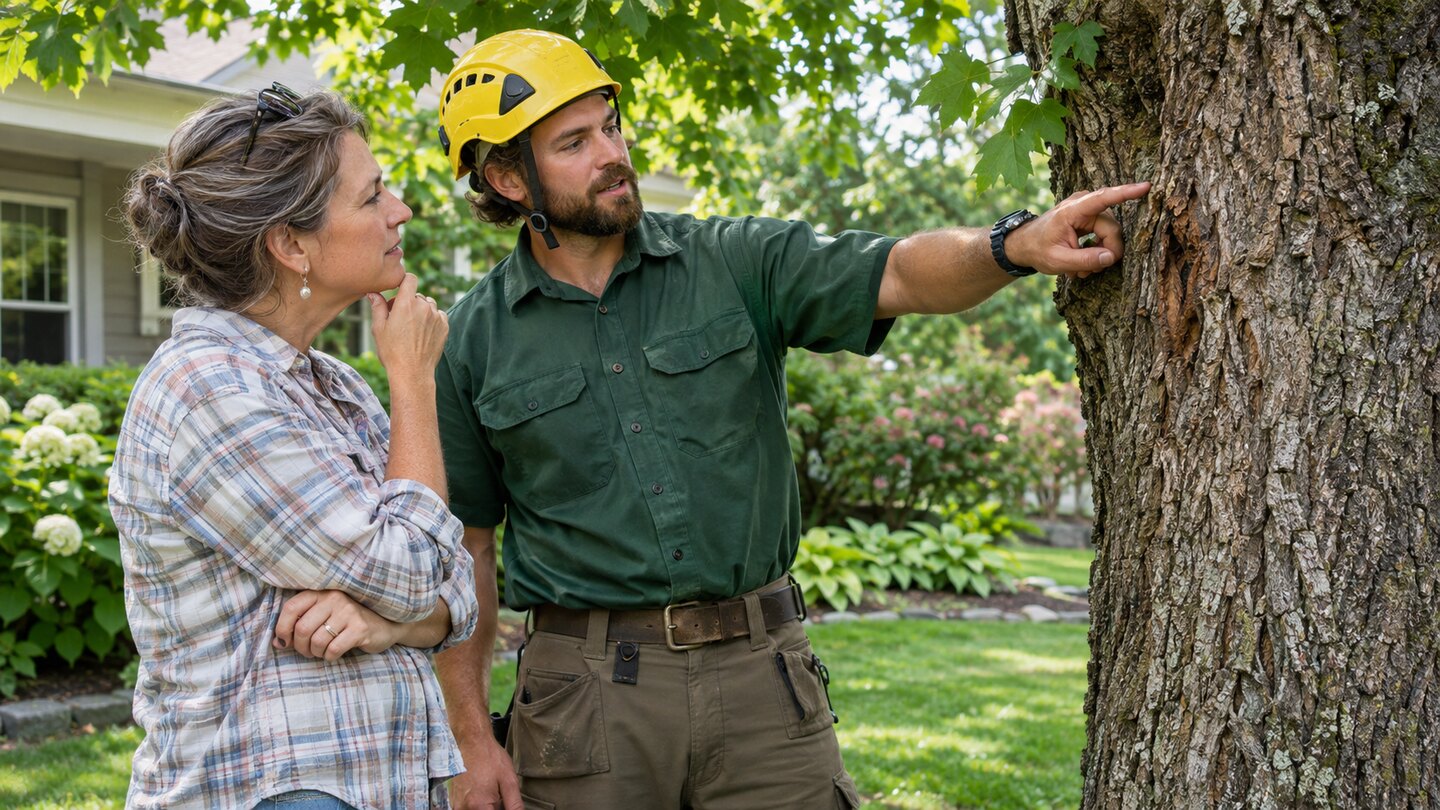
Help Property Owners Understand Your Scope
Customers may use “tree cutting,” “tree trimming,” and “tree removal” loosely even though the work and assessment differ. Clear pages can explain your services, demonstrate genuine work, and prepare people for the conversation with your team. Useful search visibility should bring opportunities you can safely and practically evaluate.
- Separate planned and urgent work. Give pruning, removal, stump work, and storm calls appropriate contact paths.
- Show realistic job fit. Explain supported property types, territory, and relevant access requirements.
- Make project photos meaningful. Add accurate context about your role instead of relying on dramatic before-and-after images.
- Clarify assessments and estimates. Help customers understand why site conditions affect recommendations and proposals.
- Measure qualified opportunities. Review suitable assessment requests and accepted work alongside search performance.
Work Areas for an Ongoing Tree Service SEO Plan
Organize services around real customer decisions
Tree pruning, removal, stump grinding, plant-health services, and land clearing are examples of possible services. They should appear only when your company genuinely provides them. Each useful service page can describe scope, suitable properties, assessment requirements, and how the customer requests contact.
Preservation and removal are different decisions. Copy should not imply that a symptom always means a tree must come down or that an online photo establishes its condition. Technical explanations need review by the qualified people responsible for your work. Keep landscaping and ongoing lawn care separate if they are not part of the business.
Make local coverage match your operating footprint
A company's practical service area can depend on job size, access, crew availability, and required equipment. Represent that territory accurately in business profiles and website pages. If you accept larger projects farther away than routine pruning work, explain the distinction rather than promising identical availability everywhere.
Location pages can add value through genuine coverage details and approved local projects. They should not invent offices or repeat the same text across towns. Guardian's local SEO services can support consistent information about where and how customers can reach your team.
Use credentials and project evidence accurately
Customers often want to understand who will assess and perform the work. Publish current credentials, insurance statements, affiliations, and qualifications only after verification. Distinguish a named individual's credential from a company-wide claim, and describe subcontracted work honestly when relevant.
Genuine photographs can illustrate site access, tree size, cleanup scope, or completed work with permission. Protect property privacy and do not stage unsafe situations for marketing. Captions should explain your actual role and avoid presenting one successful project as evidence that every similar-looking job has the same risk or solution.
Create an intake process that supports assessment
A useful form can request contact details, property location, service interest, and a brief description. Optional photos may help initial routing, but customers should not be asked to approach a hazard to obtain them. Do not request detailed property access codes through a public lead form.
Explain whether submitting the form requests a callback or reserves an assessment. Mobile contact buttons, reliable forms, and clear confirmation messages are basic conversion priorities. Guardian can discuss website design improvements; estimate tools, scheduling connections, and customer-management integrations need separate review. Guardian's general website portfolio provides broader website examples without implying tree-service campaign results.
Handle storm and hazardous situations responsibly
Storm pages should state actual hours, supported services, and how urgent requests are handled. Do not label an unmonitored form as emergency dispatch or promise arrival times the operation cannot support. When a situation involves immediate danger, content should direct people to appropriate emergency services or the utility rather than a routine estimate queue.
Keep public guidance focused on contacting appropriate help. Avoid instructional content about cutting storm-damaged limbs, handling suspended trees, climbing, or working near electrical lines. Your team should approve safety-related wording. A marketing page cannot determine whether a site is safe to enter or whether a tree is structurally sound.
Keep recurring marketing connected to job quality
A proposed SEO program may include technical work, service-page development, search-query review, current local information, and approved project stories. Review inquiries by service, location, property fit, and assessment outcome. Storm events and seasonal demand should be part of the interpretation rather than treated as campaign results by themselves.
A broader digital marketing strategy can help decide where advertising or other channels fit available crews and preferred work. Media spend, campaign management, photography, and website development should be clearly distinguished from recurring SEO responsibilities.
Build the Plan Around Your Operation
Start with your actual services, territory, project preferences, current site, and assessment workflow. Guardian's SEO services provide the framework for a proposed recurring scope. Priorities should follow the strongest business and website needs rather than a guaranteed volume of new pages or jobs.
Your team supplies accurate service and credential information, approved project material, professional content review, and feedback on lead quality. The proposal should identify approval responsibilities, reporting, and separate website work. Keep capacity and urgent-service information current, especially during severe weather or periods when crews are fully committed.
12 Questions Tree-Service Companies Ask About SEO and Websites
1. Should pruning and removal have separate pages?
They usually deserve different explanations when you offer both. Pruning customers may be planning maintenance or addressing a specific concern; removal customers need to understand assessment, access, and the estimate process. Present the services accurately without suggesting that a tree should be removed based on a brief online description.
2. How should stump grinding be described?
Explain the work your business actually provides and clarify what is discussed during quoting, such as access, debris handling, and site finish. Do not assume customers know how stump grinding differs from complete stump or root removal. Claims about underground conditions or future planting suitability need appropriate assessment.
3. Can photos replace an onsite tree estimate?
Photos may help your team route an inquiry or decide what information is needed next. They do not necessarily show access, utilities, condition, or surrounding structures well enough for a final assessment. Explain your actual estimating process and never encourage a customer to move closer to a hazard for photographs.
4. How should we market storm-response services?
State real coverage, hours, contact procedures, and limitations. Distinguish an urgent-service phone route from an ordinary contact form. Avoid promising immediate attendance or using disaster imagery to imply work you performed. Safety-related language should be professionally reviewed and should route immediate threats to appropriate emergency or utility help.
5. Should arborist credentials appear on the site?
Verified, current credentials can help customers understand who is involved. Identify whether the credential belongs to an individual and describe that person's actual role. Do not apply a credential to every employee or imply a company accreditation that does not exist. Confirm permission before using certification logos or marks.
6. How can we attract larger or more suitable removal jobs?
Explain the types of properties and projects you evaluate, your service area, and the process for discussing access and scope. Relevant approved project examples help customers assess fit. Avoid unverified equipment or capability claims, and do not promise that an inquiry form can determine whether a complex job is feasible.
7. Should we discuss permits and property boundaries?
You can explain that applicable approvals and ownership questions may need to be resolved before work proceeds. Describe only the assistance your company actually provides. Requirements vary, so avoid blanket permit claims or advice about a neighbor's tree rights. The website should not replace project-specific regulatory or legal review.
8. What should the website say about cleanup?
Describe your actual proposal process for branches, chips, logs, stump material, and site condition. Customers should know whether options are discussed separately rather than assuming everything is included. Use precise wording approved by your team and avoid universal promises that every property will be left in an identical condition.
9. Should commercial and municipal work have a different inquiry route?
When you pursue it, explain the supported property types, assessment process, territory, and relevant bid requirements. These buyers may need a project discussion instead of a homeowner estimate form. Claim procurement eligibility, insurance limits, documentation, and specialist capabilities only when current and verified by the people responsible for the work.
10. What determines tree service SEO pricing?
Competition, territory, service range, website condition, project material, and measurement needs affect scope. A proposal should separate ongoing SEO from a redesign, photography, scheduling integration, or paid advertising. Discuss your preferred job mix and assessment capacity before choosing how broadly to expand marketing.
11. How long should we give an SEO campaign?
Evaluate against agreed milestones, the starting website, and the competitiveness of your market. Some contact and content improvements can be assessed early, while organic visibility develops over time. Weather and seasonality can strongly affect demand. No campaign can guarantee a ranking position or a set number of removal contracts.
12. What should a tree-service marketing report measure?
Review qualified assessment requests, service and location fit, estimates, and accepted work where records allow. Separate unsupported services, existing-job questions, and out-of-area calls. Compare lead quality with search queries and landing pages, and include response time and crew availability when interpreting what happens after an inquiry.
Give Property Owners a Clearer Route to Your Team
Share your website, service territory, preferred projects, and assessment process. Guardian can discuss a practical SEO plan and website improvements that help suitable customers understand your work and request the right next step.