
Local SEO, websites, and digital marketing for plumbing companies
SEO for Plumbers That Connects the Right Searches With Your Dispatch Team
A customer with a blocked drain wants to know who can help and how to reach them. Someone comparing water heater replacement options may need an estimate and a clearer explanation of the process. A commercial buyer may need a contractor who can work within a building’s access and scheduling requirements.
Guardian Solutions LLC helps businesses build search visibility and websites that make those decisions easier. For a plumbing company, the plan should reflect your actual services, dispatch territory, availability, and the work you want more of.
Discuss SEO for your plumbing company
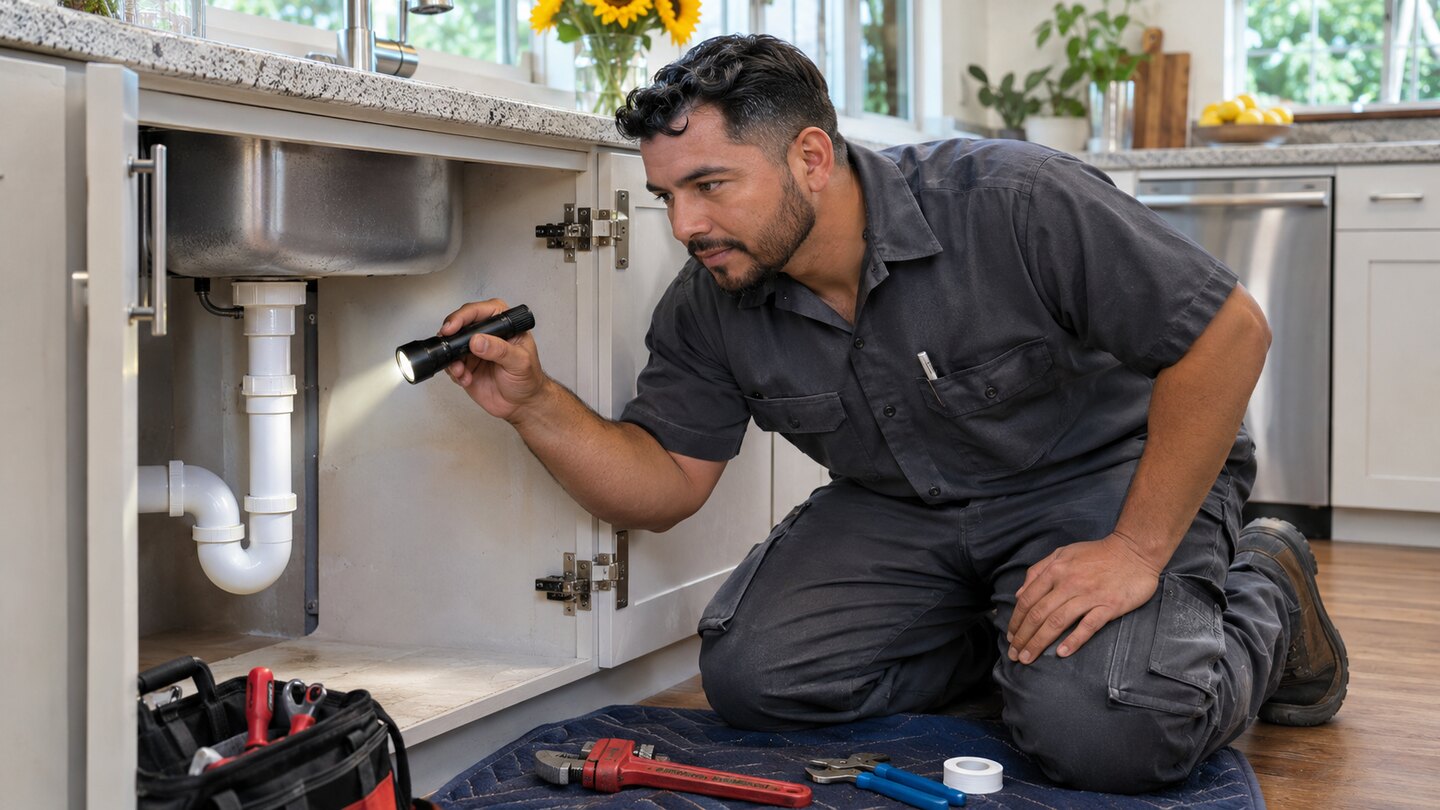
Help Prospects Choose Before the Phone Rings
A successful plumbing website should make your business easier to find and easier to evaluate. It should also give your team enough context to route a request without making customers complete a complicated form during an urgent problem.
- Attract relevant service calls. Explain drain, sewer, water heater, fixture, and other services your company actually provides.
- Support larger planned projects. Give replacement, repiping, remodeling, or commercial inquiries a useful estimate path when they fit your business.
- Clarify coverage and availability. Help customers check location and service-hour fit before contacting dispatch.
- Build confidence in the process. Describe assessments, estimates, and approved credentials without guessing at a repair before a visit.
- Measure suitable work. Connect marketing reviews to qualified calls and booked jobs, not just traffic totals.
Build Plumbing SEO Around Service Intent
Give distinct plumbing problems useful pages
A general plumbing page can introduce your business, but it rarely answers every question about sewer work, water heaters, or planned installations. Service research should establish which topics deserve their own pages and which related searches can be addressed together.
Possible topics include drain cleaning, sewer inspection, leak repair, water heater replacement, and commercial plumbing. These are examples to evaluate against your capabilities and market, not a keyword list every plumber should pursue. A page should explain customer fit, assessment, and next steps rather than simply repeat a phrase.
Make local search information useful to dispatch
Your website and business profiles should show accurate contact information, real service coverage, and current hours. If different areas or services have different availability, communicate that clearly. Do not advertise a city only because it has search demand when your team cannot practically serve it.
Useful local pages may include genuine coverage details or relevant projects. They should add more than a new place name. Accurate information also helps customers avoid confusing an office, a service-area business, and a location where walk-ins are welcome. Explore Guardian’s local SEO services.
Make urgent and planned contact paths easy to follow
Urgent visitors need a visible, working phone link and truthful information about availability. Planned work may benefit from a short estimate form asking about location, service, and a brief project description. Make clear whether submitting a form requests a callback or books an appointment.
Website improvements should support the way your team actually handles requests. A review may identify targeted fixes before a larger redesign is needed. Dispatch, booking, or customer-management integrations should be evaluated and separately scoped rather than assumed. See Guardian’s website design services.
Show credible information customers can use
Explain your estimate process, supported property types, and service boundaries. Use real project examples and approved credentials. If you discuss permits, warranties, financing, or pricing, keep the language accurate for your operation and the locations you serve.
Customer education can explain what information to provide and why an assessment is needed. It should not encourage hazardous repairs, diagnose hidden damage online, or guarantee a particular solution. Photos and reviews work best when they are authentic, permissioned, and relevant to the service being discussed.
Improve the campaign as service demand changes
Recurring SEO includes maintaining the site, developing useful service content, updating local information, and reviewing where relevant inquiries originate. The priorities may change when you add a crew, expand a genuine service area, or decide to emphasize planned projects rather than additional urgent calls.
A broader marketing plan can include paid campaigns when the budget, landing page, and call-handling process support them. Keep ad spend, management, ongoing SEO, and one-time website work distinct. Learn about Guardian’s digital marketing strategy services.
Choose a Scope That Fits Your Plumbing Business
Start with the territory you serve, the services you want to grow, and the capacity available to take on work. A residential repair company needs different content and reporting from a business pursuing commercial maintenance or larger installation projects.
Guardian’s SEO services provide the broader framework. Your proposal should identify the recurring work, any website project, the information your team needs to supply, and the way results will be evaluated. Rankings alone cannot establish whether a campaign is producing profitable work.
Use our plumbing website checklist for services, access, and inquiry paths to identify practical improvements before choosing the next scope.
12 Questions Plumbers Ask About SEO and Digital Marketing
1. Should drain cleaning and sewer services have their own pages?
They can, when your company offers distinct services and can explain the differences usefully. A blocked fixture, recurring drain issue, sewer inspection, and sewer replacement may involve different questions and next steps. Map pages to actual capabilities. Avoid implying that every drain problem requires sewer work or that a website can identify the cause without assessment.
2. How should emergency plumbing be presented?
Publish accurate hours, service coverage, and a direct contact path. Explain any meaningful limits on after-hours availability. A phone answered at any hour does not necessarily mean a technician is immediately available. Do not use response-time promises your dispatch team cannot support. Urgent pages should make contact simple rather than require a lengthy quote form.
3. Can SEO help us attract water heater replacement jobs?
A dedicated service page can explain the types of systems you install or service, the assessment process, and what affects an estimate. Include tankless or other options only when they match your capabilities. Keep product, efficiency, rebate, and warranty claims current and supported. Measure replacement inquiries separately from repair requests to understand the service mix.
4. How do we separate residential and commercial plumbing inquiries?
Use clear service navigation and content for each audience. Commercial prospects may need to discuss building type, access, scheduling, maintenance, or bidding requirements. Residential visitors usually need a simpler service or estimate path. State the commercial work you actually handle instead of implying that all plumbing services apply equally to every property.
5. Should we publish a service-call fee or pricing examples?
Accurate pricing context can help customers decide whether to contact you. If you publish a diagnostic or service-call fee, explain applicable terms and what it includes. Clarify the difference between an example, a starting price, and a firm quote. Keep offers current and avoid using a low advertised figure that does not represent the stated service.
6. Can we target nearby cities without opening offices there?
Your website can explain areas you genuinely serve without claiming a physical office in each one. Business profiles and location information must reflect the actual business model. A separate city page should add useful coverage or project information. Do not create fictitious addresses or interchangeable location pages to imply a larger local presence.
7. What information belongs in a plumbing estimate form?
Ask for contact details, service location, requested service, and a short description. Photos may help with planned projects when your process supports them, but they should not be required for every inquiry. Avoid making customers diagnose the issue. Explain the next step and whether the form requests a callback, an estimate review, or an appointment.
8. Should repiping and remodeling plumbing be on the same page as repairs?
Introduce the full service range clearly, then give substantial planned work a distinct path where appropriate. Repiping and remodeling customers may need information about project scope, coordination, property access, and the estimate process. Repair visitors often need a faster contact decision. Separate content helps each audience without making unsupported project-timing or pricing promises.
9. How can reviews and project photos help a plumbing website?
Authentic reviews and relevant project examples can help customers understand your work and service approach. Obtain permission for photos, protect addresses and private details, and describe the actual job. Follow platform rules for requesting reviews without filtering requests to only satisfied customers. Evidence should support the service described, not stand in for verified licensing or technical claims.
10. What affects the cost of plumber SEO?
Competition, territory, service range, website condition, content needs, and reporting all affect scope. Ask what is included in recurring SEO and what requires a separate website or advertising budget. Guardian can discuss a plan after reviewing your business. Compare the work and responsibilities in each proposal rather than relying on a promised number of calls.
11. How long does SEO take for a plumbing company?
Timing varies with existing visibility, local competition, site quality, and the work required. Some contact-path or technical improvements can happen early, while organic search changes require sustained work and evaluation. Establish review points and account for seasonality. A claim of instant first-place rankings or guaranteed emergency calls is not a reliable planning basis.
12. Which results should our plumbing business review?
Review qualified calls and forms, requested services, service areas, booked jobs, and project value when available. Separate spam, existing-customer contacts, and work you do not perform. Compare inquiry quality with the pages and channels that generate it. Missed calls and slow callbacks belong in the review because they affect what happens after search brings a customer to you.
Make Your Website a Better Starting Point for New Plumbing Work
Bring your website, service coverage, priority jobs, and current call-handling process to a conversation with Guardian. We can discuss how SEO, clearer service pages, and website improvements fit your next stage of growth.