
Local SEO, website design, and digital marketing for independent repair shops
Auto Repair SEO That Helps Drivers Find the Right Shop for Their Vehicle
A driver researching a warning light needs different information from someone comparing transmission specialists or scheduling routine maintenance. They want to know whether your shop works on their vehicle, what the next step involves, and how to contact you.
Guardian Solutions LLC helps businesses improve search visibility and website clarity. For an auto repair shop, that means building a plan around your actual capabilities, the vehicles you service, and the jobs your team can take on.
Discuss SEO for your auto repair shop
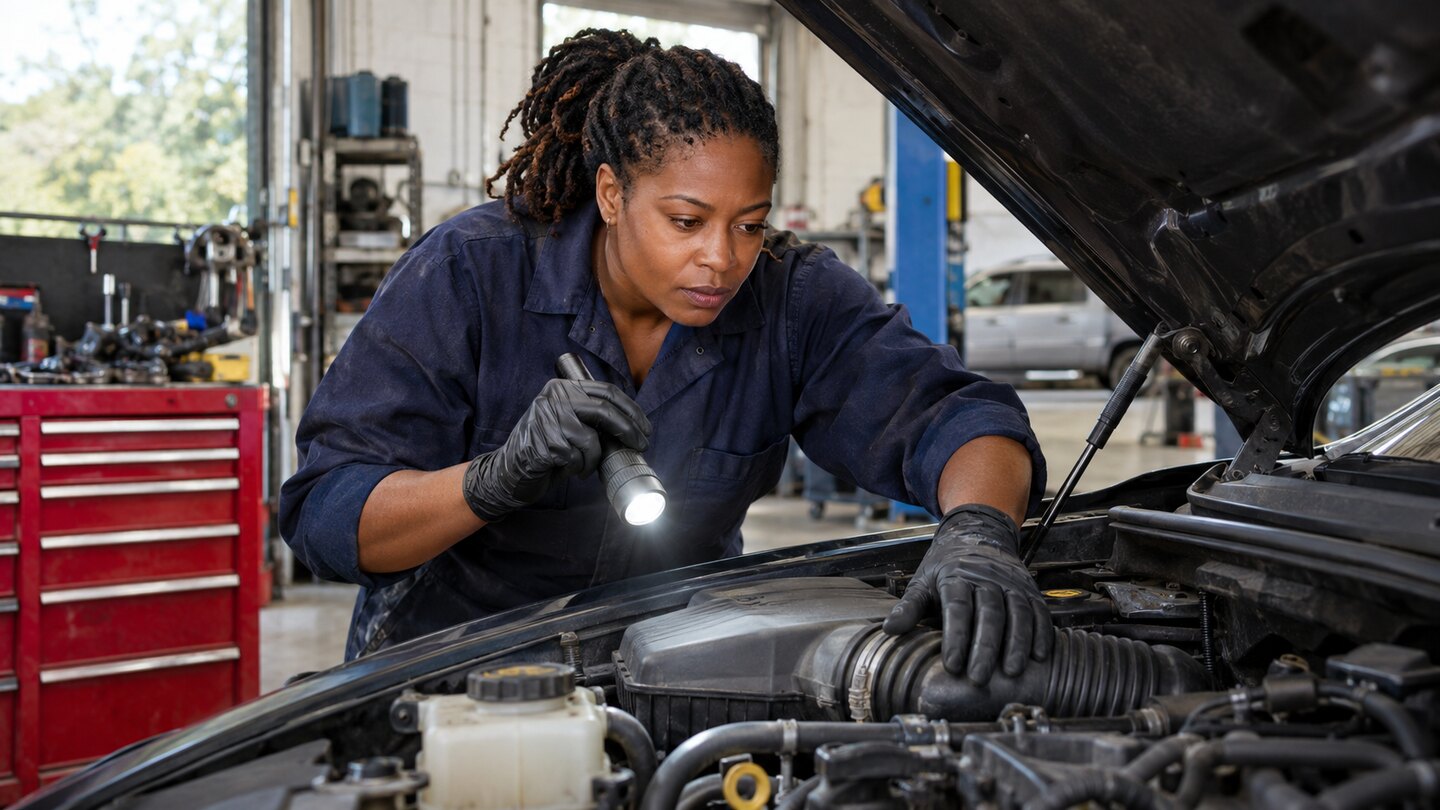
Help Drivers Confirm Fit Before They Call
Your website can answer practical questions without trying to diagnose a vehicle online. It should explain the work you do, how assessments and estimates are handled, and whether an appointment request is the right next step.
- Attract relevant service inquiries. Describe actual repair and maintenance capabilities instead of advertising every possible job.
- Clarify vehicle fit. Explain the makes, vehicle types, and specialist services your shop supports.
- Build confidence in your process. Present verified credentials, genuine shop information, and clear assessment steps.
- Reduce preventable booking confusion. Make hours, drop-off instructions, and appointment expectations easy to find.
- Measure useful work. Review qualified inquiries and booked services alongside local and organic visibility.
An Auto Repair SEO Plan Based on Shop Capabilities
Organize service pages around real customer needs
Possible research topics include brake service, diagnostics, scheduled maintenance, transmission work, or other services your technicians perform. A general repair shop and a specialist business may need different content priorities. These examples are not a confirmed keyword plan or a reason to add services you do not provide.
Useful pages explain service scope, assessment, and the next step. Related searches can often share one strong page. Separate pages make sense when the customer’s questions or your process differ meaningfully, rather than whenever a keyword has another wording.
Make vehicle and specialty information clear
Drivers need to know whether your shop handles their make and vehicle type. Describe your actual range and any important exclusions. Hybrid, electric, diesel, fleet, and performance work should appear only when your business has the relevant capabilities.
Manufacturer affiliations, professional certifications, and specialist claims need verification. Avoid creating a page for every brand if the pages cannot explain anything useful about your service. A truthful scope is more valuable than attracting calls your team must turn away.
Support local discovery with accurate shop information
Keep your address, phone number, hours, and visit instructions accurate on the website and relevant profiles. Describe after-hours drop-off, shuttle service, loaner vehicles, towing arrangements, or other conveniences only if they are available under the stated terms.
For more than one location, help customers identify which services and vehicle types each shop handles. Do not use extra profiles or fictitious addresses to suggest a presence you do not have. Explore Guardian’s local SEO services.
Create a website that supports the service desk
A mobile visitor should quickly find your services, vehicle scope, location, and contact options. A short form can ask for vehicle details and the requested service without requiring the customer to diagnose the problem. Explain whether the form requests a callback or reserves an appointment.
A website review can identify confusing navigation, unreliable forms, or outdated information before deciding on a redesign. Shop-management, appointment, and estimate-tool connections need technical review and a separate scope where appropriate. See Guardian’s website design services.
Keep marketing aligned with bay capacity
Ongoing SEO can improve service pages, technical health, local information, and analysis of relevant searches. The plan should reflect the work you want more of, available staff, and any changes in equipment or specialist coverage.
Paid campaigns may support selected services when the budget and response process fit. Keep advertising, ongoing SEO, and one-time website work distinct. Review the quality of inquiries and booked jobs rather than treating every phone call as a new repair opportunity. Learn about Guardian’s digital marketing strategy services.
Relevant Website Work, With Clear Limits
Guardian’s website portfolio includes Jacks Transmissions. It is a relevant example of website work for a transmission specialist, not evidence of SEO results or experience across every auto repair specialty. Review the project in its own context.
For a practical content-planning perspective, see Guardian’s guide to improving a service page before adding another blog post. A useful plan connects ongoing SEO to your shop’s services, current website, and customer questions rather than publishing content for its own sake.
12 Questions Auto Repair Shops Ask About SEO and Websites
1. Should each repair service have a separate page?
Separate pages help when services involve different questions and your shop can provide useful, accurate information. Brake service, diagnostics, and transmission work may warrant different treatment. Closely related tasks can sometimes share a page. Start with the work your technicians actually perform rather than creating a large catalog of pages that overstates your capabilities.
2. Should we create pages for every vehicle make?
Only when the shop services those vehicles and can explain meaningful information beyond the brand name. Identify relevant capabilities, limitations, and appointment steps. Do not imply dealership status or manufacturer authorization without verification. Near-identical pages for dozens of makes can create confusion while doing little to help drivers choose the right shop.
3. How can we promote a specialty such as transmission repair?
Explain the work your team handles, the assessment process, and any relevant vehicle limitations. Use authentic examples and verified credentials where available. Distinguish diagnosis, repair, replacement, and other services accurately. A specialty page should help the customer understand the next step, not promise a specific repair or price before the vehicle is assessed.
4. Should diagnostic fees or maintenance prices be published?
Clear pricing information can help when the shop maintains it and explains the conditions. Distinguish assessment charges, starting prices, and firm estimates. Vehicle specifications, findings, parts, and labor can affect the final scope. If a promotional price has exclusions or additional required charges, state the material terms rather than making the offer appear universal.
5. What should an appointment request form ask?
Ask for contact details, vehicle year, make and model, requested service, and a brief description as needed by your staff. Keep the form manageable. Do not demand that the driver identify a failed component. Make clear whether submission requests a callback, a drop-off time, or a confirmed appointment, and explain the shop’s next step.
6. How should warranty information appear on the website?
Use approved, current wording that explains whose warranty applies, the relevant coverage, and important conditions. Distinguish parts coverage from workmanship terms and third-party programs. Do not claim that every service or vehicle has identical protection. A simple summary should lead customers to the applicable terms or a clear way to ask the shop.
7. Can we attract fleet maintenance customers through SEO?
A fleet page can explain the vehicle types you support, maintenance capabilities, scheduling process, and how to discuss an account when those services exist. Fleet buyers may have different documentation and approval needs from individual drivers. Keep that inquiry path distinct, and avoid promising turnaround times, credit terms, or reporting systems your business has not approved.
8. How should we address urgent vehicle problems online?
Give clear shop contact and availability information, with professionally reviewed safety wording where appropriate. A website should not assure someone that a vehicle is safe to drive based only on a symptom. Explain towing or after-hours arrangements only when they are real. Do not make emergency-response promises that exceed the shop’s staffing or services.
9. What should reviews, shop photos, and repair examples show?
Use genuine material with permission to show your team, facilities, and actual work. Protect customer information, license plates, and other private details when publishing images. Describe examples accurately without promising the same repair outcome for every vehicle. Follow review-platform rules and avoid selectively asking only satisfied customers to leave a rating.
10. What affects auto repair SEO cost?
Competition, shop locations, service range, vehicle specialties, website condition, and content needs affect scope. Separate recurring SEO from redesigns, appointment integrations, photography, and advertising. Guardian can discuss priorities after reviewing your business. A useful proposal explains work, responsibilities, and reporting rather than promising a fixed number of vehicles through the bays.
11. How long does auto repair SEO take to evaluate?
Timing depends on existing visibility, site quality, competition, and the work required. Some contact or information improvements can happen early; organic performance needs sustained work and enough data to review. Set milestones and account for seasonality or changes in shop capacity. No agency can guarantee top placement for every search or a fixed repair volume.
12. How should we measure whether marketing is working?
Review qualified calls and forms, vehicle and service fit, booked appointments, and completed work where available. Separate existing-customer questions, parts-only inquiries, spam, and services you do not offer. Compare outcomes with the pages and channels that generated interest. Missed calls and scheduling delays matter because they affect what happens after a driver finds your shop.
Make It Easier for the Right Drivers to Find Your Shop
Bring your website, vehicle and service scope, location details, and booking priorities to a conversation with Guardian. We can discuss how recurring SEO and clear website content fit the work you want to attract.