
If you want to stand out in 2026, website design for dentists is more important than ever. Patients judge your practice by your online presence before they ever walk through your door. An impressive dental website draws in new patients and keeps them coming back.
In this guide, you will learn how to build a modern, high-performing site. We will walk through planning, design, SEO, must-have features, compliance, and ongoing management.
Ready to grow your practice? Let’s dive into website design for dentists and set you up for success.
Table of Contents
Looking to build a high-performing dental website? Use this table of contents to explore each key area of website design for dentists. You can also check out our Dental Website Design Portfolio for inspiration and real examples.
| Section | What You’ll Learn |
|---|---|
| Introduction | Why website design for dentists matters in 2026 |
| Why Is Website Design for Dentists So Important in 2026? | Understand changing patient behavior and practice growth |
| What Are the Key Elements of a Standout Dental Website? | Explore design, branding, and must-have features |
| How to Plan Your Dental Website: Step-by-Step Guide | Get a clear roadmap for planning your site |
| What Makes Dental Website Design User-Friendly? | Learn how to create a seamless experience |
| How Does SEO Impact Your Dental Website’s Success? | Discover why SEO matters for dentists |
| Which Integrations and Features Matter Most for Dentists? | See what tools and add-ons boost value |
| How to Ensure Security, Compliance, and Ongoing Management | Learn how to keep your site safe and up to date |
| Summary | Quick recap and next steps |
Why Is Website Design for Dentists So Important in 2026?
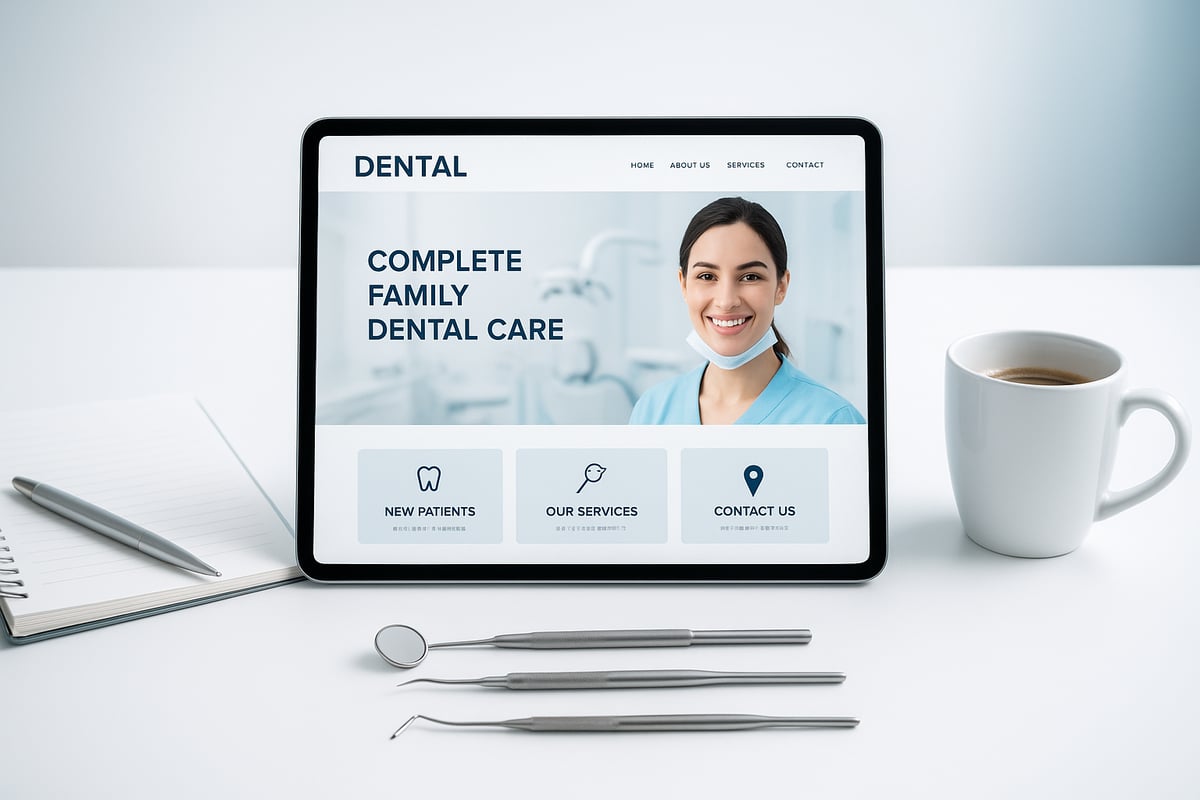
If you want your dental practice to grow in 2026, website design for dentists is more important than ever. Patients now expect a seamless online experience. Your website is often the first impression you make, influencing whether a patient chooses your care or looks elsewhere.
How Patient Behavior Has Changed
Today, over 90% of patients check out a dentist's website before making an appointment. People judge your practice by the look and feel of your site. If your website seems outdated or slow, patients may think your care is outdated too.
Most folks now use their phones to search for dentists. If your site is not mobile-friendly, you risk losing new patients. Patients also rely on online reviews and testimonials when picking a provider. A strong, modern website helps you stand out and builds trust right away.
Here’s an example: Practices with fast, visually appealing sites see more people booking appointments. Patients want convenience, and a well-designed website makes it easy to connect.
The Impact on Practice Growth
A great website design for dentists can boost your revenue by an average of $73,000 each year. Your website is the heart of your digital marketing. It helps you attract new patients and keep current ones happy.
Online scheduling and forms make it easier for patients to book and fill out paperwork. This saves your team time and reduces no-shows. A sharp website also makes it simple for patients to share your practice with friends, supporting word-of-mouth growth.
If your web presence is weak, patients may question your credibility. A poor website can even turn away referrals. Investing in a high-quality site builds confidence and keeps your office busy.
Competitive Landscape in 2026
In 2026, most dental practices invest in professional website design for dentists. If your site looks generic or outdated, you will fall behind. Custom branding and unique features make your practice memorable.
Adding real patient reviews and social proof is now a must. For example, VP Dental doubled its new patient numbers after launching a fresh, SEO-optimized website. Want to see what top dental sites look like? Check out these best practices for designing dental websites for inspiration.
To stay ahead, you need a site that matches your practice’s quality and values. In a crowded market, your website is your best tool for attracting and keeping patients.
What Are the Key Elements of a Standout Dental Website?
When you think about website design for dentists, every detail matters. Your site is often the first impression patients have of your practice. A great dental website can turn visitors into loyal patients.
Visual Design and Branding
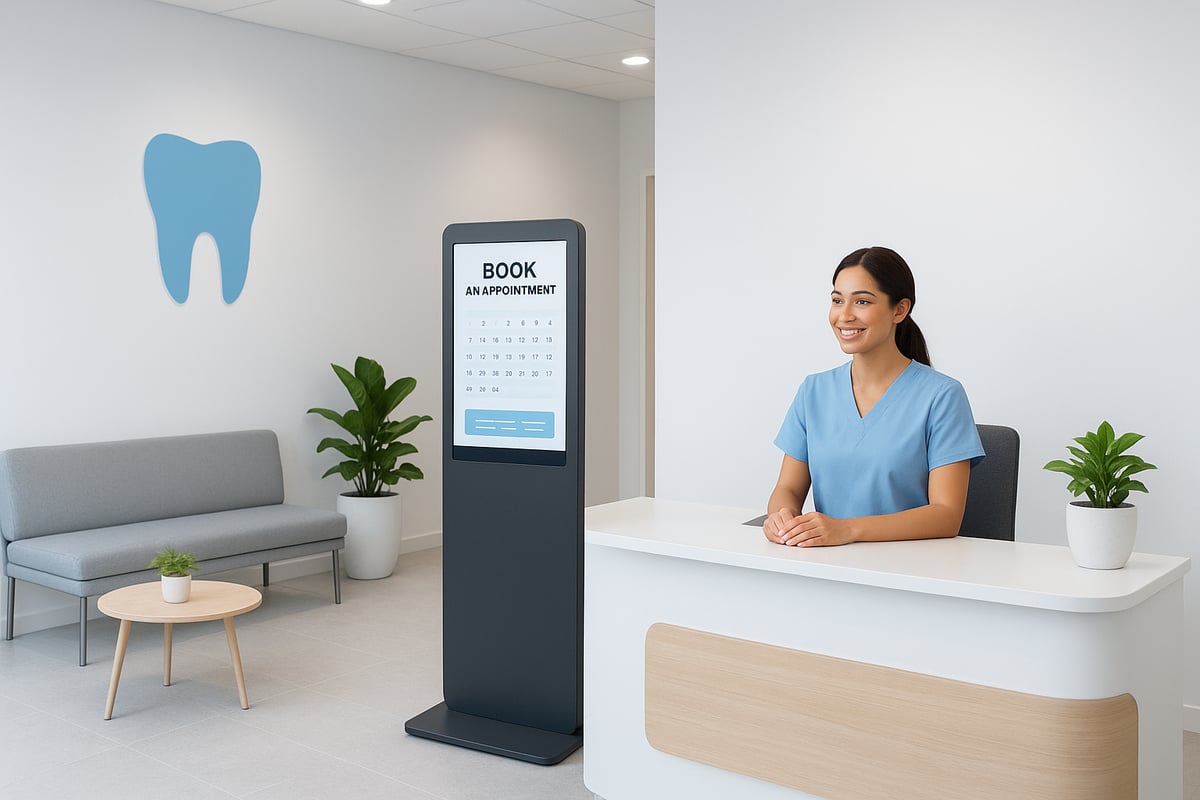
First impressions count. Your website should reflect your brand with a consistent logo, color scheme, and style. Use high-quality photos of your team, office, and happy patients (with permission). Clean layouts show professionalism and help patients feel at ease.
For example, many practices use custom templates from dental web providers. These layouts make your services and values clear at a glance. If you want to see how custom design solutions work, check out our Website Design Services Overview.
- Use your logo and colors everywhere.
- Feature real photos, not stock images.
- Keep the design simple and inviting.
Mobile Optimization
Most patients will visit your site from a phone or tablet. Your website design for dentists must be mobile-responsive. Google rewards sites that work well on all devices, and patients expect quick load times.
A mobile-optimized site improves both rankings and user experience. Practices with fast, responsive sites see more appointment requests and fewer lost visitors. Always test your site on different screens.
- Make menus easy to tap.
- Ensure text is readable without zooming.
- Optimize images for speed.
Content That Connects and Converts
Clear, friendly content helps patients understand your services. Use welcoming language to explain your care philosophy. Make sure your contact info, hours, and location are easy to find. Patient-focused answers to common questions build trust.
Share real testimonials and patient stories. These connect emotionally and help visitors picture themselves in your care. Your website design for dentists should always highlight what makes your practice special.
- Write simple, helpful service descriptions.
- List FAQs and insurance info.
- Highlight staff bios and patient reviews.
Calls-to-Action and Conversion Points
You want your website to guide patients to take action. Place “Book Appointment” and “Contact Us” buttons in visible spots. Online scheduling and payment options make it easy for patients to choose you.
Downloadable forms help new patients save time. These features lower barriers and increase bookings. Your website design for dentists should make the next step clear and simple.
- Use bold, easy-to-find buttons.
- Offer online scheduling.
- Add new patient forms for download.
Trust Signals and Social Proof
Show visitors they can trust you. Display Google Reviews and real patient testimonials on your site. Add dental association logos, awards, and credentials for extra credibility.
Link to your active social media profiles. This shows you are engaged with your community and up to date. Social proof is key for website design for dentists in 2026.
- Embed review widgets.
- Show your team’s qualifications.
- Link to Facebook or Instagram pages.
Accessibility and Compliance
A standout dental website must be easy for everyone to use. Make your site ADA-compliant with clear navigation, adjustable text size, and color contrast. Offer screen reader compatibility for visually impaired users.
HIPAA-compliant forms protect patient data. Following these rules builds trust and keeps you on the right side of regulations.
- Add alt text to all images.
- Use large, readable fonts.
- Ensure all forms are secure.
Security and Privacy
Patient privacy is critical. SSL certificates encrypt data and show visitors your site is safe. Regular security updates and backups protect against hacks or data loss.
Display a clear privacy policy so patients know their info is protected. Website design for dentists should always prioritize security and compliance.
- Use SSL for all pages.
- Back up your site regularly.
- Post a privacy policy.
How to Plan Your Dental Website: Step-by-Step Guide
Planning your website design for dentists can feel overwhelming at first. But if you break it down into simple steps, you will find it much easier. Let’s walk through each stage so your dental website stands out and works hard for your practice.

Step 1: Define Your Goals and Audience
Start by asking yourself, who do you want to reach? Think about the age, needs, and concerns of your ideal patients. Are you focused on families, adults, or cosmetic dentistry?
Next, set clear goals for your site. Do you want more appointment bookings, new patient inquiries, or to highlight special services? Write down your main objectives. Look at websites from both competitors and leaders in the field for inspiration.
- Identify patient demographics
- Set measurable website goals
- Gather design ideas from top dental sites
Taking time here helps guide every decision during your website design for dentists project.
Step 2: Choose the Right Platform and Provider
Now, decide if you want a custom or template-based site. Here’s a quick comparison:
| Option | Pros | Cons |
|---|---|---|
| Custom | Unique, tailored, flexible | Higher cost, longer build |
| Template | Fast, affordable | Less unique, limited edits |
If you want a partner that understands website design for dentists, Professional Dental Website Design Services from Guardian Solutions LLC is a great option. We focus on responsive layouts, secure data, and ongoing support.
Check how each provider handles support, onboarding, and turnaround times. Ask about their process for feedback and revisions.
Step 3: Map Out Content and Features
Next, sketch out the basic structure of your website. What main pages do you need? Most dental sites include:
- Homepage
- About the practice
- Services offered
- Contact information
- Reviews and testimonials
- Blog or educational content
Decide which features matter most. Online forms, scheduling, chat, and secure payment options are common. Write or gather content now for bios, service details, FAQs, and your practice philosophy. This keeps your website design for dentists project moving smoothly later.
Step 4: Gather Visual Assets
Quality visuals make a strong first impression. Take professional photos of your team, office, and any technology you use. Collect your logo, awards, and certificates. Make sure all images are sized for fast web loading.
If you have happy patients willing to share their stories, ask for permission to use their photos. Visuals help your website design for dentists feel personal and trustworthy.
Step 5: Collaborate on Design and Development
Work closely with your web designer throughout the process. Share feedback early and often. Review wireframes and prototypes before any site goes live. Test everything on both mobile and desktop to ensure your website design for dentists is responsive and accessible.
Ask your designer about accessibility features, like adjustable text and color contrast. These details make your site friendly for every visitor.
Step 6: Prepare for Launch and Promotion
Before launch, test every feature. Double-check forms, links, and how the site looks on all devices. Set up Google Analytics and Search Console to track visitors and performance.
Promote your new website design for dentists by sending announcements through email, social media, and signs in your office. Let current patients know about new features, like online scheduling.
Following these steps ensures your website design for dentists is modern, user-friendly, and ready to help your practice grow.
What Makes Dental Website Design User-Friendly?
When it comes to website design for dentists, user-friendliness is the secret ingredient that keeps patients coming back. If your site is easy to use, patients will feel confident, happy, and more likely to book an appointment. Let’s explore what makes a dental website truly welcoming and simple to navigate.
How to Create a Seamless Patient Experience
A seamless patient experience starts with clear menus and simple navigation. Patients should find what they need in just a few clicks.
- Place contact information and appointment buttons in obvious spots.
- Use large, readable fonts and high-contrast colors.
- Make sure every link and button works as expected.
When your website is straightforward, patients feel at ease and are more likely to stay on your site.
Optimizing for Mobile and Desktop
Today, most people browse on their phones. That’s why website design for dentists must be responsive. Your site should look great and work smoothly on any device.
- Use touch-friendly buttons and easy-to-fill forms.
- Keep images and layouts consistent on desktops, tablets, and phones.
- Test your site on different screens before launch.
If you want more ideas, check out 15 Elements That Make a Great Dental Website.
Building Trust Through Transparency
Patients trust what they can see and understand. Show real reviews and testimonials on your website.
- Add photos of your staff and office to help new patients feel comfortable.
- List services, prices, and accepted insurance in plain language.
- Keep information updated and easy to find.
Trust builds loyalty and encourages patients to recommend your practice.
Reducing Friction in the Patient Journey
Nobody likes jumping through hoops. The best website design for dentists removes barriers at every step.
- Offer online scheduling and secure payment options.
- Share downloadable forms so new patients save time in your office.
- Use live chat or virtual consultations for quick answers.
The easier it is for patients to interact, the more likely they are to follow through with appointments.
Supporting Patients with Special Needs
Accessibility is a must. Make sure your website works for everyone, including those with disabilities.
- Add ADA-compliant navigation and screen reader support.
- Provide adjustable text sizes and color contrast options.
- Test your site with keyboard-only navigation and assistive tools.
By making your site accessible, you show that every patient matters.
A user-friendly website design for dentists can turn visitors into loyal patients. When your site is simple, transparent, and accessible, you make a lasting first impression and set your practice up for long-term success.
How Does SEO Impact Your Dental Website’s Success?
Search engine optimization, or SEO, is at the heart of website design for dentists. If your site isn't easy to find, new patients will choose another practice. Let's break down why SEO matters and how you can use it to help your dental office grow.
Why SEO Matters for Dentists
Do you ever wonder how patients find a new dentist? Most start with a quick search. In 2026, over 90% of patients use search engines to find local dental care.
If your website design for dentists is not optimized for search, you risk being invisible online. High-quality SEO brings your practice to the top of search results, making it easy for patients to discover you. With the right Dental SEO Services and Strategies, your site can reach more people and boost inquiries.
On-Page SEO Essentials
What makes a dental website show up in search results? On-page SEO is the answer. You need to use relevant keywords like "teeth cleaning" or "cosmetic dentist" in your titles and headings.
Create clear meta descriptions that tell searchers what to expect. Fast page speed and a mobile-friendly layout are also vital for website design for dentists. Google rewards sites that are easy to use on any device.
Content Strategies for Dentists
Ever notice how some dental websites have helpful blogs and detailed service pages? That’s no accident. Fresh, relevant content keeps your website design for dentists ranking high.
Share answers to common patient questions, explain treatments, and post educational articles. Patients trust offices that provide clear, honest information. This trust turns visitors into loyal patients.
Technical SEO Considerations
Technical SEO sounds complicated, but it’s just about making your website work smoothly. Use HTTPS for security, and add schema markup so search engines understand your services and reviews.
Optimize images so your site loads fast. These steps make your website design for dentists more reliable and trustworthy in the eyes of both Google and your patients.
Tracking and Measuring SEO Success
How do you know if your SEO is working? Set up Google Analytics to track visitors and see which pages get the most attention. Use Google Search Console to monitor your search rankings and fix any issues.
Adjust your website design for dentists based on real data. This way, you can keep improving and stay ahead of the competition.
Real-World Results
Here’s the good news. Practices that invest in SEO-optimized website design for dentists often see their new patient numbers double. Fast, mobile-friendly sites get more clicks and calls.
When you make SEO a priority, your practice stands out online. This means more appointments, better reviews, and a thriving dental office.
Which Integrations and Features Matter Most for Dentists?
Choosing the right integrations and features is key to maximizing your website design for dentists. The right mix of tools can make your site work harder for you, save time, and boost patient satisfaction.
Online Scheduling and Payments
Patients want convenience. Offering online scheduling and payment options on your website design for dentists is a game changer. When people can book appointments or settle their bills anytime, they’re more likely to choose your practice.
- 24/7 appointment booking boosts new patient numbers.
- Online payments free up your front desk staff for more important tasks.
- Fewer missed appointments with automated reminders.
Want more ideas? Check out the Top 5 Features Your Dental Website Must Have in 2025 for tools that keep patients coming back.
Online Forms and Virtual Consultations
Today, nobody likes filling out paperwork in the waiting room. Secure, HIPAA-compliant online forms help patients get started from home. Virtual consultations let you connect with new patients before they even walk in.
- Digital intake and consent forms speed up check-in.
- Virtual consults increase case acceptance.
- Secure data handling keeps patient info safe.
These features show you value your patients’ time and privacy.
Social Media and Reviews Integration
People trust what others say about you. Adding real-time social media feeds and Google Reviews to your website design for dentists builds instant credibility.
- Share patient testimonials for social proof.
- Display recent posts to show your practice is active and engaged.
- Encourage happy patients to leave reviews right from your site.
This transparency helps new patients feel confident choosing you.
Third-Party Integrations
Your practice uses different tools every day. Connect your website to your dental practice management software, email marketing, and CRM systems for a seamless workflow.
- Sync patient data between programs.
- Automate appointment reminders and follow-ups.
- Save time with fewer manual tasks.
These integrations make your website work as hard as you do.
Security and Compliance Features
Patient trust is everything. Your website design for dentists must include strong security and compliance features.
- SSL encryption protects data.
- HIPAA-compliant forms keep information private.
- Regular updates and backups safeguard against threats.
When your site is secure, patients feel safe sharing their info.
Custom Features for Patient Engagement
To stand out, add features that help patients learn and connect. Educational videos, live chat, and automated reminders keep patients engaged and informed.
- Video libraries answer common questions.
- Live chat provides instant help.
- Automated reminders reduce no-shows.
The right features support patient relationships and help your practice thrive.
How to Ensure Security, Compliance, and Ongoing Management
Keeping your website design for dentists secure and compliant is essential in today’s digital world. Patients trust you with their personal information. You must protect it and keep your site running smoothly. Let’s break down the most important steps to keep your dental website safe, compliant, and easy to manage.
Why Security and Compliance Matter
Why should you care about security and compliance? First, dental practices handle sensitive patient data every day. If this information is not protected, it could fall into the wrong hands. That is why following HIPAA rules is not just smart, it is the law.
Also, a secure website builds trust with patients. When visitors see that your site is protected, they are more likely to book an appointment. Search engines like Google also rank secure websites higher in search results. This means better visibility and more new patients for your practice.
Security Best Practices
How can you keep your dental website safe? Here are a few best practices to follow:
| Best Practice | Why It Matters |
|---|---|
| SSL Certificates | Encrypts patient data |
| Regular Backups | Protects against data loss |
| Security Updates | Prevents hacks and malware |
| Secure Hosting | Ensures reliable, HIPAA-compliant access |
Start with strong hosting. Our Secure Website Hosting for Dentists offers enterprise-level protection and regular updates. This keeps your website design for dentists safe from common threats. Regular backups are key too. If something goes wrong, you can restore your site quickly and avoid downtime.
Compliance with ADA and HIPAA
What about legal rules? Your website must follow ADA and HIPAA guidelines. ADA compliance means everyone, including people with disabilities, can use your site. This includes features like screen reader support, alt text for images, and easy navigation.
For HIPAA, you need secure forms and encrypted data storage. Patient information should never be at risk. Following these standards protects your practice from fines and builds trust with your patients.
Flexible Hosting and Management Options
How you host and manage your dental website matters. Choose a hosting plan that fits your needs. Basic hosting is good for small practices. Premium plans offer more support and unlimited updates.
Some providers include ongoing maintenance. This means you get regular updates, security checks, and quick help if you need changes. With the right management, your website design for dentists stays current and secure.
Responsive Support and Troubleshooting
Fast, friendly support can make all the difference. If your site goes down or you need help, a dedicated support team should be ready to jump in. Look for providers who offer quick response times and hands-on guidance.
Many practices share stories of how responsive support saved them from costly downtime. When your support team understands website design for dentists, they can fix issues fast and keep your practice running smoothly.
Monitoring and Improving Website Performance
Finally, always keep an eye on your website’s performance. Use analytics tools to track site speed, visitor numbers, and how patients interact with your site. Regularly update your content, forms, and features to stay ahead of new compliance rules.
Stay proactive. Review your website design for dentists each month to spot any issues before they cause problems. This way, your site remains safe, compliant, and a powerful tool for growing your practice.
Summary
Website design for dentists is more important than ever in 2026. A great site helps you attract, impress, and keep new patients. When your website looks modern, loads fast, and offers easy scheduling, you stand out from the crowd.
Remember, strong SEO, secure integrations, and compliance with standards are must-haves. Your site is the foundation of your digital marketing. For inspiration and real-world examples, check out these 5 Standout Dental Website Designs to Inspire Your Practice for 2025.
If you want to grow your dental practice, invest in website design for dentists and make your online presence your most powerful tool.
So, now that you’ve seen just how much a modern dental website can do—from making a great first impression to actually growing your practice—it’s natural to wonder what your next step should be. Imagine how much easier it would be if you had a partner who understood not just design, but also the ins and outs of dental marketing, compliance, and patient experience. If you’re ready to build a site that truly stands out and works for you in 2026, why not reach out and see how we can help? Let's Work Together! Contact Us Today...