
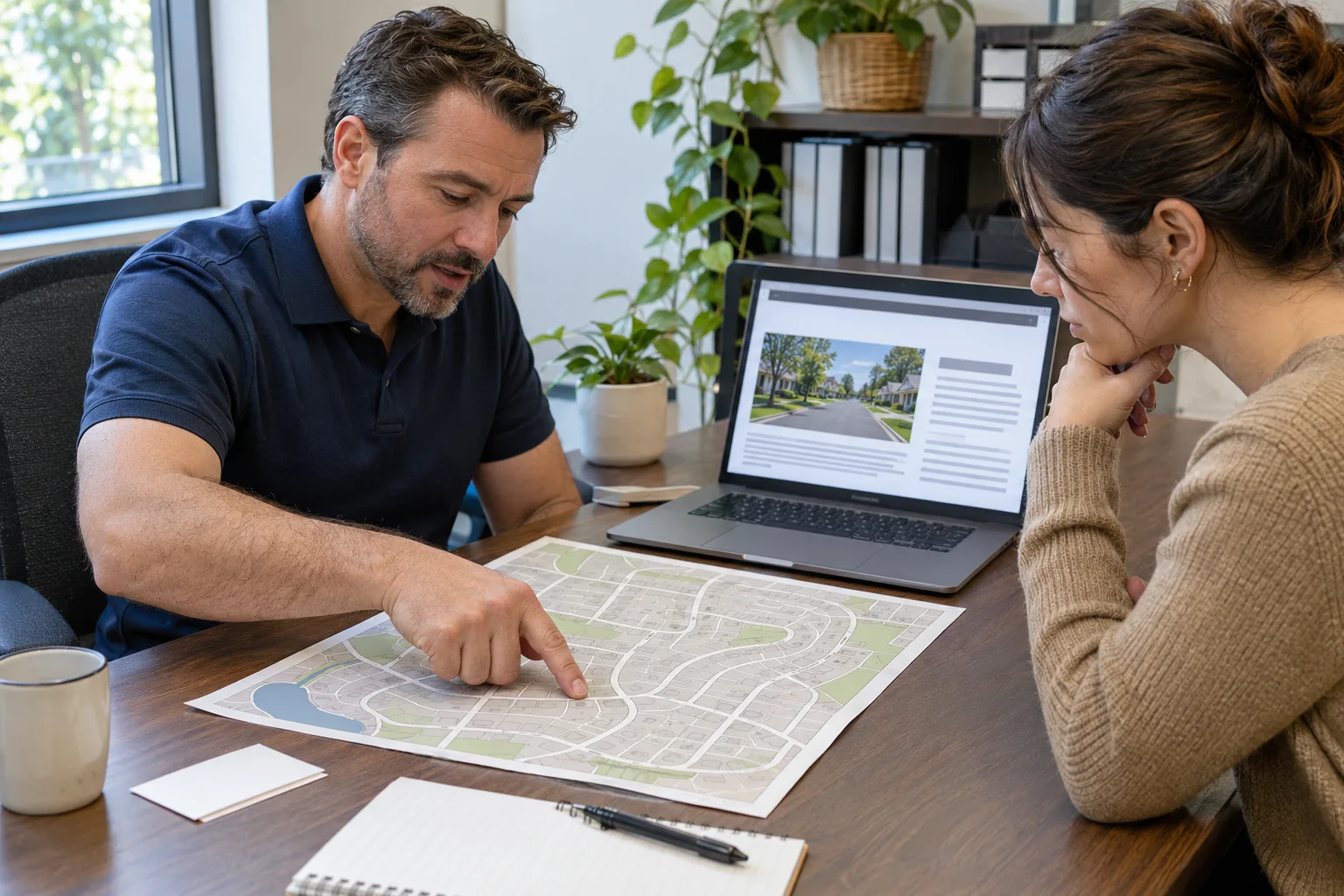
A location page should help a person understand how a business serves that area. Replacing a city name across otherwise identical pages does not answer many additional questions. Plan each page around the useful local information the business can honestly provide.
Reconstructed archive: March 2015. Written in November 2026 using contemporary historical sources. The archive date organizes this series; this text is not a recovered original.
The March 2015 announcement
Google announced an adjustment addressing doorway pages on March 16, 2015. It described campaigns that expanded a search footprint without adding clear value. The concern included multiple pages or domains that funneled people toward essentially the same destination.
A present-day brief for a useful location page
A small audience does not make a page worthless. Before publishing, write down the distinct help the page will offer:
- Actual coverage: which services are available, and what scheduling or travel limits apply?
- Customer decision: what question about this area is not already answered well on the main service page?
- Supporting evidence: which approved project, photograph, result or firsthand observation makes the answer specific?
- Next step: which relevant service and contact route should the visitor use?
Illustrative example: a verified difference in project access or service logistics may deserve an explanation. A made-up office address or a paragraph that swaps one city name for another does not supply that value.
If the brief reveals a useful separate answer, develop the page and connect it to related services. If the material belongs on an existing page, improve that page instead. If several existing pages are combined, preserve their useful evidence and plan redirects before retiring URLs. Our local SEO services provide the broader service-planning context.
Make each page part of the website
A visitor should be able to reach related services, understand the business, and find the appropriate contact route. Do not leave location pages isolated from normal navigation as though they exist only for search engines. The page should remain useful when someone reaches it through a referral or shared link.
Consolidate when there is no separate purpose
Where several pages provide the same answer, review whether a stronger coverage page would serve customers better. Plan any URL changes and relevant redirects before removing content. The historical lesson is to build location coverage around real service value, rather than treating the number of city pages as the measure of an SEO strategy.
Explore website design, digital marketing strategy, or contact Guardian Solutions to discuss your next step.
Historical source: Google announcement dated 2015-03-16.