
When it comes to local seo reporting, staying ahead in 2026 is more important than ever. Did you know nearly half of all Google searches now have local intent?
If you want your business to grow, you need to track what matters most. This article shares seven easy and powerful tips to help you get real results. You will learn how to watch your rankings, analyze your Google Business Profile, monitor reviews, check on competitors, customize your reports, connect your data, and focus on KPIs that drive business.
These local seo reporting strategies will help you make smarter decisions, win more customers, and see measurable growth. Ready to dive in? Let’s get started.
Table of Contents and Summary
If you want to master local SEO reporting, this guide is for you. Here’s what you’ll find inside:
| Section | What You’ll Learn |
|---|---|
| Why Is Local SEO Reporting Critical in 2026? | Understand why reporting matters and how it shapes your results. |
| 7 Essential Local SEO Reporting Tips for 2026 | Discover step-by-step tips to boost rankings, track reviews, and outpace competitors. |
| How to Set Up Effective Local SEO Reporting Workflows | Learn how to build simple, automated systems for local SEO reporting. |
| Common Local SEO Reporting Mistakes to Avoid | Spot pitfalls and ensure your reports drive real business growth. |
| Frequently Asked Questions About Local SEO Reporting in 2026 | Get clear answers to common questions about metrics, tools, and ROI. |
| Final Thoughts on Local SEO Reporting Tips for 2026 | Wrap up with key takeaways for your ongoing strategy. |
Each section is practical, easy to follow, and packed with actionable advice. For a deeper dive into foundational strategies, check out the Ultimate guide to local business SEO. This article will help you use local SEO reporting for real, measurable growth.

Why Is Local SEO Reporting Critical in 2026?
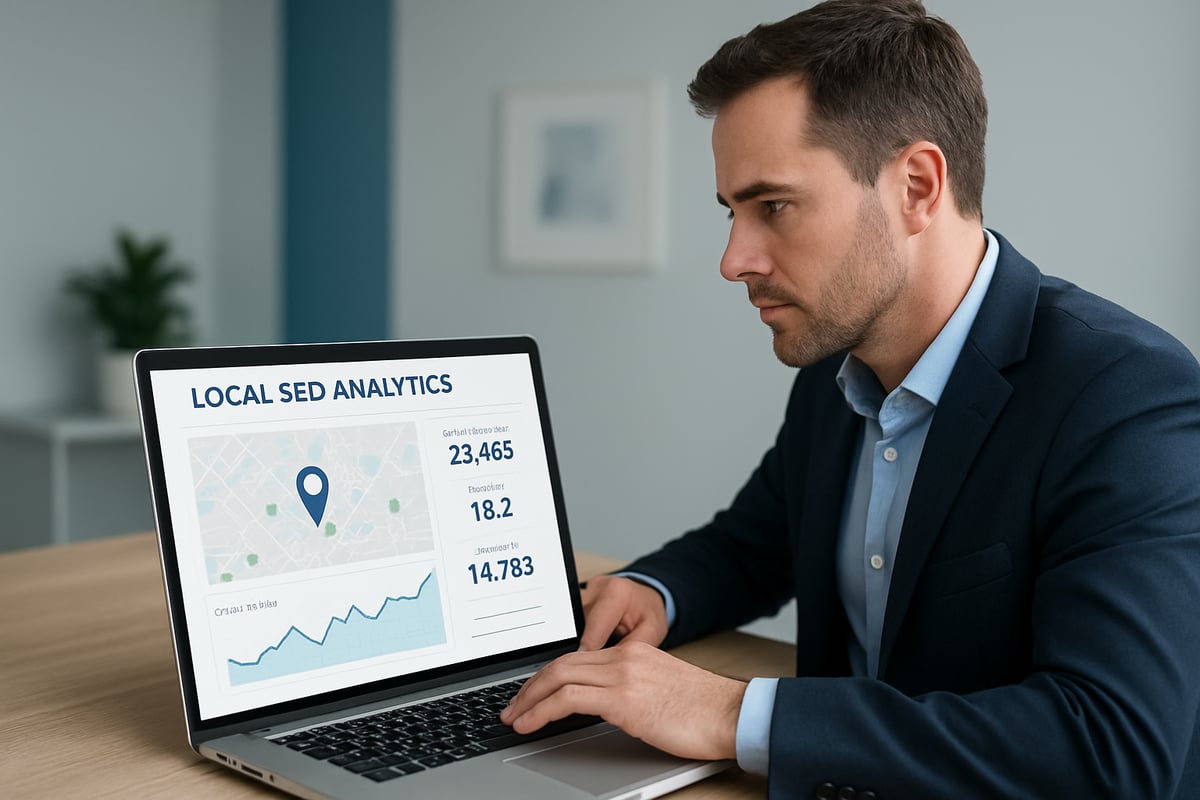
When it comes to local seo reporting, the landscape is always shifting. To stay ahead, you need to know what has changed, what you stand to gain, and the exact metrics that matter most. Let’s break down why local seo reporting is more important than ever in 2026.
What Has Changed in Local SEO Reporting?
Have you noticed how Google updates seem to come out of nowhere? In 2026, Google’s local algorithm shifts have made local seo reporting a must-have for every business. Mobile and voice search are now the norm. People ask their phones for “best pizza near me” or “plumber open now.” Did you know that over 80 percent of local searches lead to a visit or call within 24 hours? You can see more on these trends in the Local SEO statistics for 2025.
Zero-click searches are also rising. This means customers get answers from Google without even clicking through. That is why tracking your Google Business Profile (GBP) is so important. If your listing disappears from the map pack, reporting will show it fast.
For example, after a recent update, one local bakery saw a sudden drop in calls and visits. Their reporting dashboard flagged a drop in map rankings. By catching this early, they adjusted their profile and bounced back quickly.
What Do Businesses Gain from Local SEO Reporting?
You might wonder, “What’s in it for me?” With local seo reporting, you reveal both opportunities and weaknesses. Reports do not just show rankings. They connect your online presence to real-world results like calls, bookings, and sales.
Local seo reporting also helps you track customer reviews. Positive reviews can boost your business, while negative ones can hurt. By monitoring review trends, you can respond quickly and protect your reputation.
Competitor insights are another big win. Agencies using advanced reporting keep more clients. Imagine seeing your competitor’s ratings climb, then spotting a gap in your own review strategy. One HVAC company did just that. They saw a dip in bookings and, thanks to their reports, found their reviews had slipped. By asking happy customers for feedback, conversions improved by 30 percent.
What Are the Key Metrics for Local SEO Reporting?
Let’s talk numbers. Local seo reporting is all about tracking the right stuff. Here are the must-watch metrics for 2026:
| Metric | Why It Matters |
|---|---|
| Local Rankings | Shows where you appear for key searches |
| GBP Insights | Tracks calls, clicks, and directions |
| Review Sentiment | Reveals customer happiness |
| Citation Consistency | Confirms your info is correct everywhere |
| Website Traffic | Measures visits from local searches |
| Conversions | Counts leads, calls, or sales |
Tracking these helps you spot trends, fix problems, and prove ROI. Competitor articles agree: businesses that focus on these numbers grow faster and keep customers happy.
So, local seo reporting is your secret weapon. It keeps you on top of changes, shows you what works, and helps you win in your local market.
7 Essential Local SEO Reporting Tips for 2026
Getting local seo reporting right can make or break your local business in 2026. Let’s walk through seven tips that will help you turn numbers into real results.
1. Track Hyper-Local Keyword Rankings
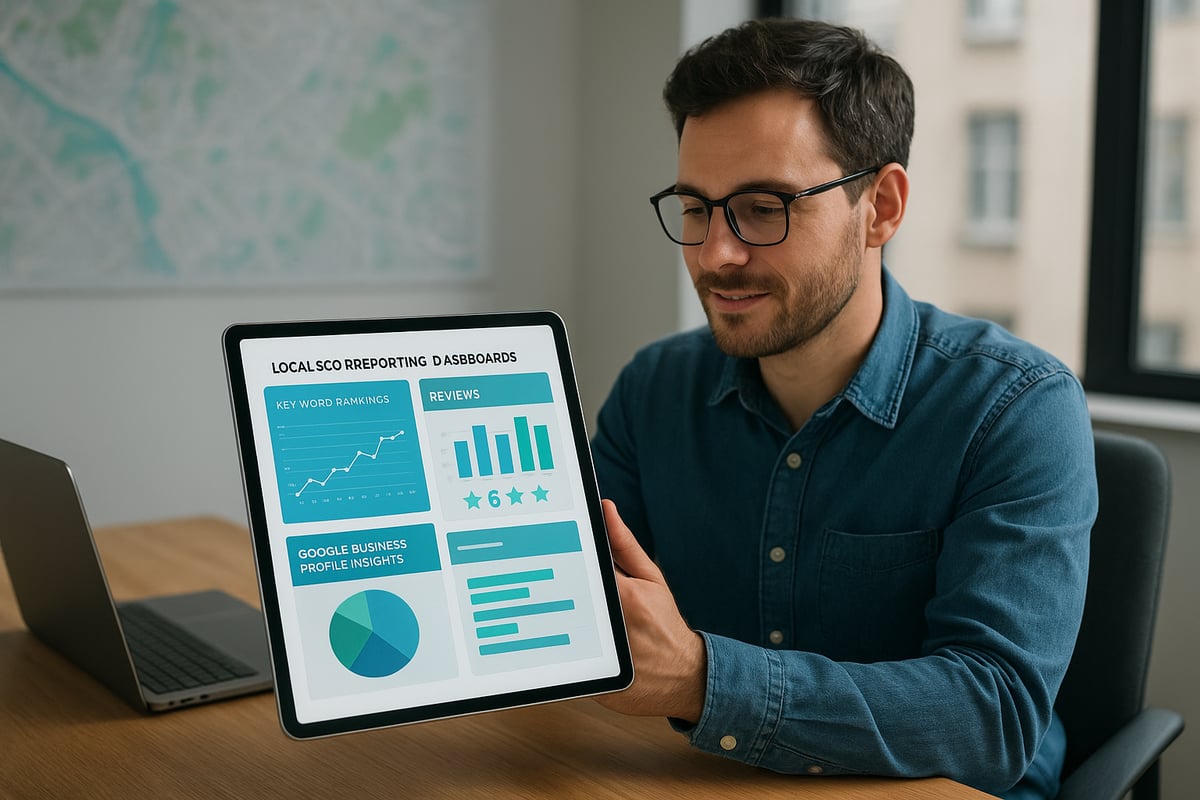
Ever wonder why your business shows up in some neighborhoods but not others? Tracking hyper-local keyword rankings is the answer. With local seo reporting, you can see exactly where you rank, even down to the ZIP code.
Start by using tools that let you check rankings on a map grid. This way, you can see if you rank higher in one part of town compared to another. Don’t forget to compare desktop, mobile, and map results. Sometimes you’ll rank better on mobile, which is where most local searches happen.
Here’s how to set up hyper-local tracking:
- Pick target keywords that include your neighborhood, city, or ZIP code.
- Use a rank tracking tool with a map grid feature.
- Check rankings for both mobile and desktop.
- Track changes over time to spot trends.
If you notice drops in one area, you can quickly adjust your strategy. Remember, local seo reporting gives you a clear picture of your local market. Stay ahead by tracking hyper-local rankings so you never miss a chance to connect with your nearby customers.
2. Monitor and Analyze Google Business Profile Insights
Your Google Business Profile (GBP) is a key part of local seo reporting. It shows you how customers interact with your business online. By watching GBP insights, you can spot what’s working and what needs improvement.
Key metrics to track include:
- Phone calls from your listing
- Requests for directions
- Website clicks
- Profile views
Watch for sudden drops in any of these numbers. If you notice a dip, it might mean your ranking changed or a competitor improved their listing. Use these insights to adjust your business info or add more photos.
For a deeper dive, check out our Google My Business SEO services guide. It covers how to use GBP data to boost engagement and rankings.
Businesses with optimized GBP profiles get more clicks and calls. Make sure you review your GBP insights regularly. With local seo reporting, you’ll always know where you stand and how to improve.
3. Keep a Close Eye on Reviews and Reputation
Did you know that reviews can directly impact your visibility in search? Local seo reporting should always include a close look at your online reputation. More positive reviews mean more clicks, calls, and customers.
Here’s what to do:
- Monitor review trends on Google, Yelp, and Facebook.
- Use tools that track new reviews and alert you to negative ones.
- Respond quickly to every review, especially the bad ones.
Pay attention to review sentiment. If you see a pattern of negative feedback, fix the problem fast. A steady stream of good reviews will help you climb the rankings. In fact, businesses with higher ratings often get more traffic from maps and search.
Regularly checking reviews as part of your local seo reporting helps you build trust and spot problems early. Make it a habit and watch your reputation grow.
4. Benchmark Against Local Competitors
Do you know how your business stacks up against others in your area? Local seo reporting isn’t complete without a look at the competition. Tracking your competitors shows you where you shine and where you can improve.
Key competitor metrics to watch:
| Metric | Why It Matters |
|---|---|
| Rankings | See where you stand |
| Reviews | Compare reputation |
| Citations | Check business info |
| Content | Spot content gaps |
Use reporting tools to pull data on your top competitors. Look for trends like rising review counts or new local content. If a rival jumps ahead in rankings, see what they changed.
Agencies that focus on competitor benchmarking often win more clients. By using local seo reporting to spot gaps, you can take action before your competition does.
5. Customize Reports for Business Goals and Stakeholders
One-size-fits-all reports rarely work. With local seo reporting, it’s smart to tailor your reports for each client or team member. This way, everyone sees the data that matters most to them.
Here’s how to do it:
- Choose key performance indicators (KPIs) that match business goals.
- Use dashboards that let you pick and choose what’s shown.
- Set up automated reports with custom views for owners, marketers, or staff.
Custom reports make it easier to understand what’s working. They also save time and make meetings more productive. Happy clients and teams are more likely to stick around when they can see real progress.
According to industry surveys, customizable reports also help agencies save hours each month. Make custom reporting a core part of your local seo reporting to boost satisfaction and results.
6. Integrate Data from Multiple Tools and Platforms
Are you tired of bouncing between different tools? For local seo reporting to be effective, you need all your data in one place. Integrating platforms like Google Analytics, Search Console, and your favorite local SEO tools gives you a full picture.
Unified dashboards let you:
- Combine website traffic with local ranking data
- Spot trends across multiple channels
- Share clear insights with your team
Automated integrations save you from manual data entry. Many tools now offer direct connections, so your reports update on their own. This saves time and cuts down on errors.
For 2026, look for tools that support integration with Google Business Profile, review platforms, and your website. Bringing everything together makes your local seo reporting more powerful and helps you find new growth opportunities.
7. Focus on Actionable KPIs and Tangible Business Results
What’s the point of local seo reporting if it doesn’t drive real outcomes? Focus your reports on KPIs that matter, like conversions, leads, and calls. Avoid vanity metrics that don’t connect to business goals.
Set up your reports to show how SEO changes impact sales or bookings. For example, track how a boost in rankings leads to more phone calls or website visits. Use before-and-after comparisons to prove what’s working.
Follow these steps to make your reports actionable:
- Define business objectives first
- Pick KPIs that match those goals
- Review reports regularly and adjust strategies
Competitor research shows that reports focused on real results help businesses grow faster. By making local seo reporting actionable, you turn data into decisions that move your business forward.
How to Set Up Effective Local SEO Reporting Workflows
Setting up a local seo reporting workflow is key if you want to grow your business in 2026. With the right steps and tools, you can turn data into action and see real results.
What Are the Steps for Building a Reporting System?
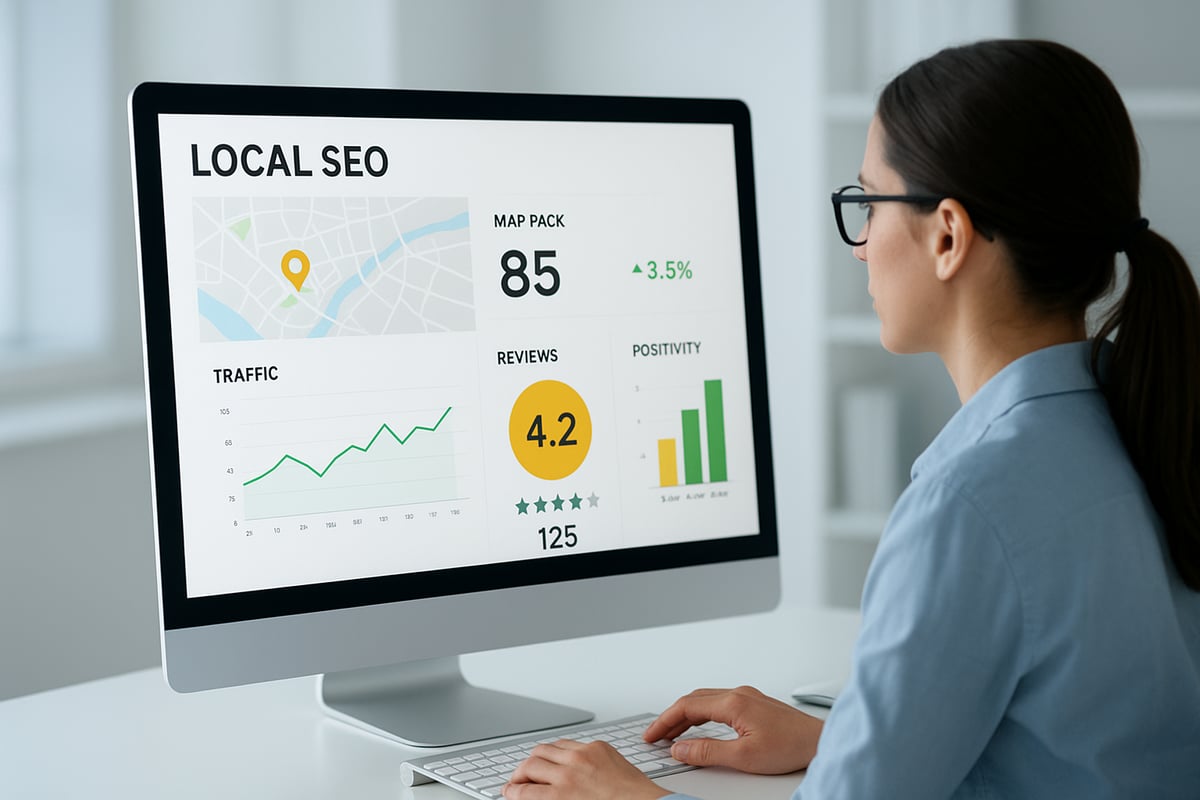
First, you need to know your goals. Are you tracking more calls, higher rankings, or better reviews? Clear goals help you choose the right local seo reporting setup for your business.
Next, pick your tools. Look for ones that match your needs and budget. Connect these tools together so all your data is in one place. This step is called data integration. It saves time and cuts down on mistakes.
After that, customize your reports. Show only the metrics that matter most to your team or clients. For example, a plumber might care more about calls and map views than website clicks. Use dashboards that make things easy to read.
Then, set up automation. Automated reports save hours each month. You can schedule weekly or monthly updates, so you always have fresh data. Many businesses with automated local seo reporting say they make fewer mistakes and react faster to changes.
Finally, decide how often to review your reports. Most businesses check weekly or monthly. Send reports by email, or use dashboards everyone can access. Ask for feedback from your team to keep improving your workflow.
Which Tools Should You Use for Local SEO Reporting?
Choosing the right tool makes local seo reporting simple and effective. Here are some top options for 2026:
| Tool | Best For | Key Features |
|---|---|---|
| BrightLocal | Agencies & SMBs | Local rank tracking, review monitoring, white-label reports |
| Whitespark | Citation management | Citation tracking, review monitoring, local audit tools |
| SEMrush | All-in-one SEO | Keyword tracking, competitor analysis, reporting automation |
| Moz Local | Multi-location brands | Listing management, review alerts, local insights |
| Yext | Enterprise & franchises | Listings sync, analytics, review management |
When picking a tool, think about your budget, the number of locations, and which features matter most. If you want to understand costs and what to expect from reporting, check out the Local SEO pricing guide.
For small businesses, start with tools like BrightLocal or Moz Local. Agencies may need more advanced options like SEMrush or Yext for bigger clients. Always test the tool with your real data before committing. Look for platforms that offer easy setup and clear reporting options.
With the right local seo reporting tools and workflow, you will save time, avoid errors, and make better decisions. Set up your system now, and you will see your business grow.
Common Local SEO Reporting Mistakes to Avoid
When it comes to local seo reporting, even small mistakes can keep you from seeing real results. If you want your business to grow in 2026, you need to know what traps to watch out for and how to steer clear of them.
What Are the Biggest Pitfalls in Local SEO Reporting?
Have you ever wondered why your local seo reporting isn’t driving more business? Many companies fall into the same common traps.
First, it’s easy to rely too much on rankings alone. While it’s nice to see your business at the top of search results, rankings do not always mean more customers. You might miss out on understanding what actually brings people through your door.
Next, some people ignore review sentiment and citation consistency. If your reviews are mostly negative, or your business information is not the same everywhere online, your visibility can drop fast. Review trends tell you what customers love or dislike about your business. Citation errors can confuse search engines and customers alike.
Then, there is the danger of using generic, one-size-fits-all reports. Every business is unique, so your reports should reflect your real goals and challenges. If your report is hard to understand, you might miss important insights.
A lot of folks still do manual data entry or pull numbers from different tools by hand. This can cause errors and wastes a lot of time. Instead, using automated integrations will help you get accurate and up-to-date data, so you can focus on making smart decisions.
According to the Top local SEO statistics for 2025, most businesses that fail to monitor reviews or citations lose out on valuable leads. Local seo reporting needs to go beyond the basics if you want to spot new growth opportunities.
If you avoid these pitfalls, your reports will help you understand what is working and what needs to change.
How Can You Ensure Reporting Drives Real Results?
So, how do you make sure local seo reporting actually helps your business grow? Start by reviewing your reports often. Don’t just set and forget them. Check for changes every month or even every week.
Make sure your reports match your business strategy. If your goal is more phone calls, track calls as a main metric. If you want more visits to your shop, focus on direction requests.
Get feedback from your team or clients. Ask what information helps them make decisions. Adjust your reports based on their input.
Also, keep improving your reports over time. Testing new ideas can lead you to better results. Use automation to save time and reduce mistakes.
Here is a simple checklist to keep your local seo reporting on track:
| Reporting Checklist | Why It Matters |
|---|---|
| Track more than just rankings | Shows what truly drives sales |
| Monitor reviews and sentiment | Boosts trust and visibility |
| Ensure citation consistency | Builds search engine trust |
| Customize reports for your goals | Keeps you focused |
| Use automated integrations | Saves time, reduces errors |
| Review and improve regularly | Leads to steady growth |
By following this checklist, you will avoid the most common mistakes and get the most from your local seo reporting. Remember, great reports help you make better decisions and grow your business.
Frequently Asked Questions About Local SEO Reporting in 2026
When you dive into local SEO reporting, you probably have a lot of questions. That is normal, especially with so many changes in 2026. Here are the answers to the questions I get asked the most.
How often should I generate local SEO reports?
You should create local SEO reporting every month at a minimum. Some businesses check weekly if they are running a new campaign or want to react quickly to changes. Monthly reports give you enough data to spot trends, but weekly snapshots can help you catch issues early.
If you run a seasonal business, consider extra reports during busy times. The key is to stay consistent so you can track progress and spot problems fast.
Which metrics matter most for local businesses in 2026?
The most important metrics for local SEO reporting are local rankings, Google Business Profile (GBP) insights, review ratings, citation consistency, website traffic, and conversions. These numbers show you how visible your business is, how people interact with your profile, and whether your efforts bring in new customers.
For more context, check out these Local SEO statistics and insights that highlight why tracking the right data is so important. The right metrics help you see what is working and what needs fixing.
What is the difference between local and national SEO reporting?
Local SEO reporting focuses on how your business shows up in searches in your area, like your city or neighborhood. National SEO looks at rankings across the whole country. Local reports measure things like map pack rankings, local keywords, and reviews. National reports track broader keywords and website visibility everywhere.
If your business serves a local community, you need local SEO reporting to understand your true reach and customer actions close to home.
How do I measure the ROI of local SEO efforts?
To measure ROI, look at the results from your local SEO reporting, like calls, direction requests, leads, and sales. Compare these numbers to your costs for SEO work. If you see more leads or sales after making changes, your investment is paying off.
Often, connecting your GBP insights and website analytics helps you see which actions bring in business. This step is where local SEO reporting becomes a real business tool, not just a set of numbers.
What tools are best for multi-location businesses?
If you have more than one location, pick tools that let you track each place easily. Top choices in 2026 include BrightLocal, Moz Local, SEMrush, and Yext. These platforms let you compare locations side by side and spot which branches need help.
Here is a quick table to help:
| Tool | Best For | Notable Feature |
|---|---|---|
| BrightLocal | Agencies, multi-location | Easy location comparison |
| Moz Local | Small business, chains | Citation tracking |
| SEMrush | Larger businesses | Broad analytics integration |
| Yext | Enterprises | Real-time data updates |
Choose the tool that fits your number of locations and your budget.
How do I keep reports simple for non-technical stakeholders?
Keep your local SEO reporting clear by using visuals like charts and graphs. Focus on the most important KPIs, like leads and calls, not just rankings. Automated dashboards and templates save time and make your data easy to read.
If you want ideas for industry-specific reporting, check out this Local SEO for plumbers guide. It shows how to turn complex data into simple, useful insights for any business.
Remember, local SEO reporting is not just about collecting data. It is about making smart decisions to grow your business in 2026.
Final Thoughts on Local SEO Reporting Tips for 2026
When it comes to growing your business in 2026, local seo reporting is your secret weapon. With the digital landscape changing fast, using the right strategies helps you turn data into real results.
By following these seven tips, you’re setting yourself up for better rankings, more customer engagement, and smarter decisions. Each step gives you a clear path to track what matters most for your business.
If you want proof that these strategies work, just check out some local SEO statistics to boost rankings. The numbers show that businesses who focus on reporting see more visibility and growth.
So, take action now. Make local seo reporting a habit, and you’ll be ready to stand out, win more customers, and stay ahead in your local market.
So, after exploring these seven local SEO reporting tips, you might be wondering—how do you actually put them into practice for your business? That’s where we come in. At Guardian Solutions LLC, we’re all about helping you make sense of your data, so you can see real growth and boost your local visibility. If you’re looking for a partner who understands the ins and outs of SEO, reporting, and digital marketing, why not reach out? Let’s see what we can achieve together.
Let's Work Together! Contact Us Today...